
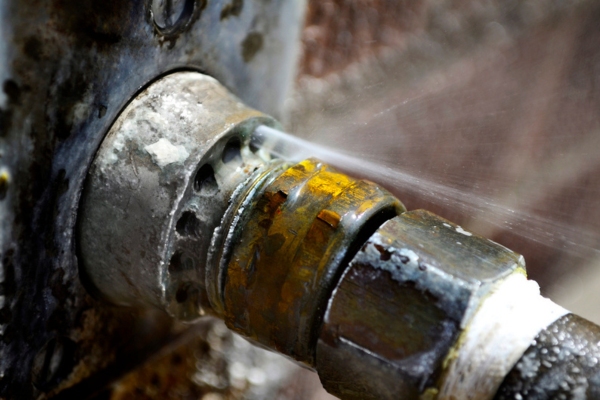
As temperatures rise and winter fades, many homeowners begin noticing spring plumbing leaks that were not visible just weeks before. Some appear suddenly, while others develop gradually as hidden damage becomes exposed. At Robinson Plumbing, we help homeowners throughout Lehigh Valley identify and repair plumbing issues caused by winter-related stress and concealed system wear.
This article explains why spring plumbing leaks commonly occur and how factors such as frozen pipes, temperature fluctuations, and internal damage weaken plumbing systems once temperatures increase.
Prevent Water Damage and Costly Repairs: Contact Robinson Plumbing for professional plumbing inspections and leak detection. Call today.
Understanding Why Winter Damage Leads to Water Leaks

Cold weather places sustained pressure on plumbing systems, affecting pipe integrity at both visible and concealed points. As conditions shift in early spring, normal water flow and pressure begin to expose these weakened sections, making underlying damage more apparent.
Restore Your Plumbing System’s Reliability: Trust Robinson Plumbing for expert leak repairs and long-term solutions. Schedule your service now.
How Winter Conditions Create Hidden Plumbing Damage in Lehigh Valley
When water inside pipes freezes, it expands and increases internal pressure, which can create small cracks or weaken pipe walls even if the pipe does not fully burst. Repeated freezing and thawing cycles further intensify this stress by causing pipes to expand and contract. Over time, this movement places strain on joints, fittings, and pipe materials, gradually reducing their structural integrity.
In many cases, the damage remains undetected throughout winter. Small fractures or weakened sections may not leak immediately while water flow is limited or obstructed by ice. Once temperatures rise and normal water pressure returns, these compromised areas begin to fail, allowing leaks to form where hidden damage had already developed.
Why Lehigh Valley Leaks Become Visible in Spring

As temperatures stabilize, plumbing systems transition back to normal operation. This shift increases water flow, restores pressure levels, and exposes structural weaknesses that developed during winter but remained hidden under frozen or low-flow conditions.
Thawing Ice Reveals Damage
When ice inside pipes melts, water begins moving freely through the system again. Any cracks, splits, or weakened sections that formed under freezing pressure are now subjected to active flow, allowing water to escape through compromised areas. In many cases, the pipe is held together while frozen, but fails once liquid water resumes movement.
Catch Hidden Leaks Early: Let Robinson Plumbing perform a thorough plumbing evaluation before problems worsen. Call today.
Increased Water Usage
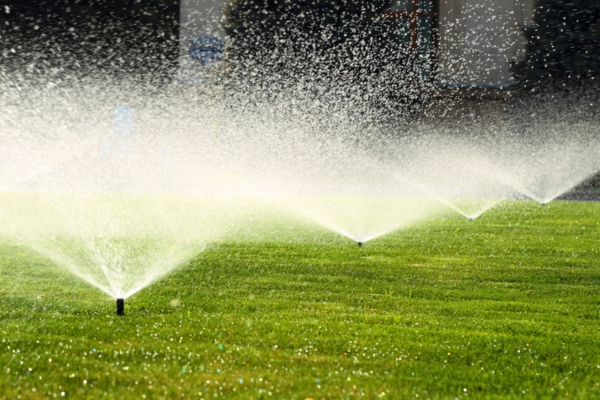
Seasonal activities such as lawn irrigation, exterior cleaning, and more frequent household use place a higher demand on plumbing systems. This increased volume and duration of water flow amplify stress on pipes and connections, making it easier for weakened sections to give way under sustained use.
Ground Shifting and Soil Movement
As frost leaves the ground, soil undergoes expansion, contraction, and settling. These changes can shift underground pipes out of alignment or place uneven pressure on them. Even slight movement can strain joints and fittings, leading to separations or cracks that cause leaks below the surface.
Protect Your Home From Spring Plumbing Issues: Choose Robinson Plumbing for fast, dependable repair services. Contact us now.
Rising Water Pressure in Active Systems
With consistent daily usage restored, plumbing systems operate at standard pressure levels for longer periods. This steady pressure can widen existing microfractures or exploit weakened pipe walls, turning minor winter damage into visible, continuous leaks.
Common Areas Where Spring Water Leaks Occur
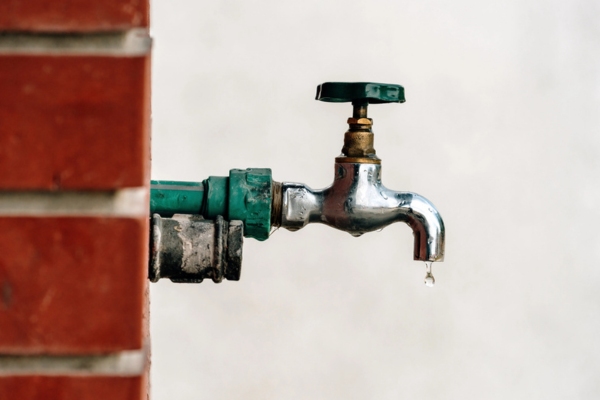
Spring leaks often develop in areas of the plumbing system that experienced the most stress during winter. Exposed pipes in unheated spaces, such as crawl spaces, attics, exterior walls, and basements, are especially vulnerable to freezing and often become sources of leaks once temperatures rise.
Outdoor plumbing fixtures, including hose bibs, irrigation lines, and exterior faucets, are also common problem areas, as they can sustain damage during winter and begin leaking when put back into use.
Pipe joints and connections are another frequent failure point since they endure repeated expansion and contraction, weakening seals and fittings over time. Underground water lines are also at risk, as soil movement and frost heave can shift or crack buried pipes, leading to leaks that may remain hidden until signs such as reduced pressure or water accumulation appear.
Maintain Strong and Efficient Plumbing Performance: Schedule a professional inspection with Robinson Plumbing today. Call now.
How to Prevent Spring Plumbing Leaks in Lehigh Valley

Taking proactive steps after winter helps identify hidden damage early and reduces the risk of leaks developing as system demand increases.
- Inspect Plumbing After Winter: Conduct a thorough visual inspection of exposed pipes, fixtures, and outdoor connections. Look for cracks, corrosion, moisture buildup, or residue that may indicate slow leaks or weakened materials.
- Check for Pressure Irregularities: Monitor water pressure throughout the home. Sudden drops, inconsistent flow, or sputtering fixtures can signal hidden leaks, blockages, or compromised sections within the system.
- Address Minor Damage Early: Repair small cracks, loose fittings, or worn seals as soon as they are detected. Early intervention prevents minor issues from worsening under normal operating pressure and increased spring usage.
- Schedule Professional Plumbing Evaluation: A licensed plumber can perform a detailed system assessment, including pressure testing and leak detection. This process helps identify concealed damage and ensures the entire plumbing system is structurally sound.
Avoid Unexpected Plumbing Failures: Rely on Robinson Plumbing for accurate diagnostics and timely repairs. Contact today.
Water Leak Repair Lehigh Valley: What to Do
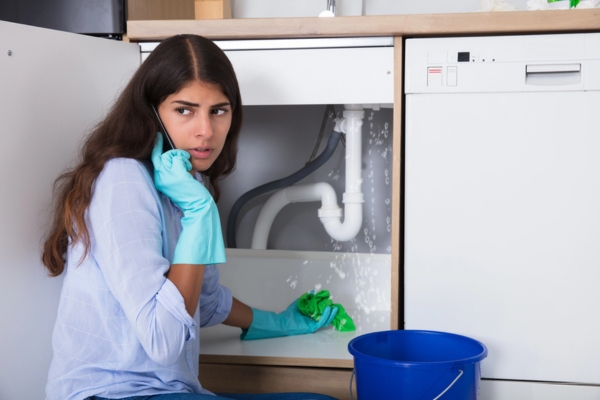
A prompt and measured response helps limit damage and ensures the plumbing system is repaired correctly before the issue escalates.
- Shut Off Water Supply if Necessary: If the leak is substantial or actively spreading, turn off the main water supply to prevent further water damage and reduce pressure on compromised pipes.
- Monitor the Leak’s Progression: Observe whether the leak expands, slows, or remains consistent. Changes in size or flow rate can point to the severity of the damage and help determine the urgency of repairs.
- Avoid Temporary Fixes for Major Issues: Short-term patches may fail under normal water pressure or shifting conditions. Relying on temporary solutions can allow hidden damage to worsen behind walls or underground.
- Contact a Professional Plumber Promptly: A licensed plumber can accurately diagnose the cause, assess the extent of the damage, and perform durable repairs that restore system integrity and prevent recurring leaks.
Keep Your Plumbing System Operating Smoothly: Book your spring plumbing service with Robinson Plumbing now. Call today.
FAQs: Spring Plumbing Leaks
How Does Winter Damage Affect Different Pipe Materials?
Different plumbing materials respond to freezing temperatures in distinct ways. Copper pipes are rigid and more prone to cracking under pressure from expanding ice, while PVC and PEX are more flexible but can still weaken at connection points. Older galvanized steel pipes are especially vulnerable due to existing corrosion, which accelerates failure when exposed to freeze-thaw stress. Understanding the material composition of your plumbing system helps determine how susceptible it is to delayed spring leaks.
Can Water Quality or Mineral Content Influence Spring Leak Risks?
Yes. Hard water with high mineral content can contribute to internal pipe buildup over time. This buildup narrows the pipe diameter and creates uneven pressure distribution. During winter, these restricted areas are more susceptible to stress when water freezes and expands. As temperatures rise, weakened sections with scale accumulation are more likely to crack or leak under normal flow conditions.
Do Small Seasonal Leaks Always Indicate Major Pipe Failure?
Not necessarily, but they should not be ignored. Minor leaks may result from localized stress or worn seals rather than full pipe failure. However, these small issues often signal underlying structural weakness. Without proper repair, they can expand under continued water pressure, leading to more extensive damage, especially as system demand increases in spring.
Stop Minor Leaks From Becoming Major Problems: Contact Robinson Plumbing for expert plumbing solutions you can trust. Call now.
How Do the Age and Maintenance History of a Plumbing System Impact Spring Leaks?
Older plumbing systems are significantly more prone to spring leaks due to material degradation, joint fatigue, and prior wear. Systems that have not been regularly inspected or maintained may already have undetected weaknesses. Preventive maintenance, including inspections and timely repairs, is critical in reducing the likelihood of seasonal leak development.
What Role Do Pressure Regulators and Valves Play in Preventing Leaks?
Pressure regulators and control valves help maintain consistent water pressure throughout the system. If these components malfunction or are improperly set, pressure fluctuations can occur, especially when transitioning from lower winter usage to higher spring demand. Excessive pressure adds strain to already weakened pipes, increasing the likelihood of leaks. Proper calibration and routine checks of these components help stabilize system performance and reduce stress-related failures.
Conclusion
Plumbing leaks often become noticeable in spring due to underlying damage caused by winter freezing, repeated temperature changes, and shifting soil conditions that weaken pipes and connections over time. As temperatures rise and normal water flow resumes, these compromised areas begin to fail, making leaks more visible throughout the system.
If you see signs of a plumbing leak this spring, contact Robinson Plumbing today. Our team provides professional inspections and dependable repairs throughout Lehigh Valley to protect your home and restore your plumbing system’s performance.
Dependable Plumbing Service When You Need It: Reach out to Robinson Plumbing for prompt inspections and repairs. Schedule today.
Contact Robinson Plumbing For Reliable Plumbing Services
Homeowners throughout Lehigh Valley rely on Robinson Plumbing for dependable plumbing services that keep their systems operating safely and efficiently. Our team provides a complete range of solutions, including drain cleaning, leak detection, fixture repairs, water heater maintenance, sump pump service, and detailed system inspections.
Each service is performed by licensed professionals focused on accurate troubleshooting, durable repairs, and long-term system performance. Whether addressing an urgent issue or planning routine maintenance, Robinson Plumbing delivers practical solutions tailored to your home’s needs.
Contact Robinson Plumbing today to schedule professional plumbing service and keep your system running smoothly in every season.
Call us today at (610) 351-9889 or contact us for any questions that you might have! Click the link to view our service area.
Related Articles:
- Common Water Pressure Issues in Two-Story Homes
- Plumbing Problems Home Buyers Should Look For
- Post-Winter Plumbing Problems Every Homeowner Should Check For
- 7 Common Bathroom Plumbing Problems
- Top Signs You Need A Bathtub Replacement