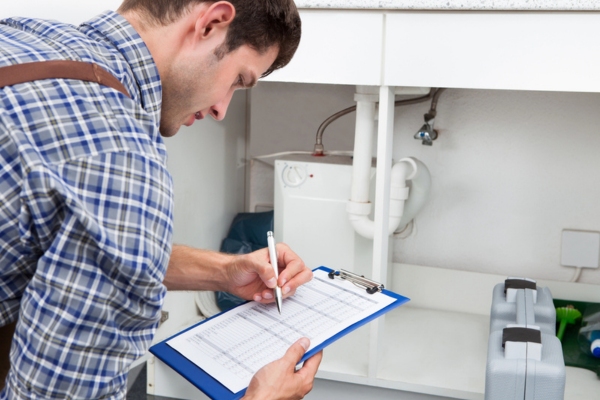
Winter places significant strain on residential plumbing systems. Freezing temperatures, fluctuating pressure levels, and extended water heater usage can create hidden damage. Many issues remain unnoticed until the weather warms.
At Robinson Plumbing, a reliable plumbing company servicing Lehigh Valley, we help homeowners identify and correct seasonal issues before they escalate into costly repairs. Our licensed technicians understand how winter conditions affect pipes, fixtures, drains, and water heaters.
This article examines the most common winter plumbing problems that surface after cold weather subsides. It explains why they occur. It also outlines the steps homeowners should take to protect their plumbing systems as they transition into spring.
Professional Plumbing Support Without The Stress! From inspection to final repair, our team provides reliable, efficient service. Schedule your appointment today!
Understanding the Hidden Impact of Winter on Your Plumbing System
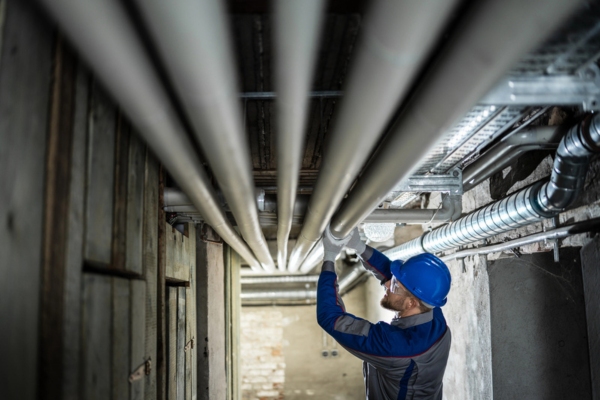
Cold weather affects more than exposed pipes and outdoor fixtures. Many plumbing components experience gradual internal stress over the course of winter. As temperatures rise, these hidden weaknesses often reveal themselves through subtle yet important warning signs.
Reliable Home Plumbing Solutions You Can Trust: From accurate diagnostics to lasting repairs, we handle every detail with precision. Contact us now!
Post-Winter Plumbing Problems All Homeowners Should Check
Cold weather can leave behind subtle plumbing damage that becomes noticeable only after temperatures rise and regular water use resumes.
1. Frozen and Cracked Pipes

Frozen and cracked pipes are common post-winter plumbing issues. Even if a pipe did not burst, repeated freeze-thaw cycles can weaken its walls and create hairline fractures that begin leaking once temperatures rise and water pressure normalizes.
These small cracks often remain hidden behind drywall or ceilings, with early signs including damp spots, discoloration, peeling paint, musty odors, or an unexplained increase in the water bill.
Exterior components such as outdoor faucets and hose bibs are especially vulnerable, as connected supply lines may split during freezing conditions. Damage often becomes apparent only when the faucet is used in spring, sometimes leading to interior wall leaks or concerns about foundation moisture.
Complete Plumbing Care From Start To Finish: Our experts identify the issue and deliver dependable repairs that last. Get started today!
2. Water Heater Strain After Heavy Winter Use
Water heaters experience higher demand during winter, placing sustained stress on internal components. Prolonged use can accelerate wear and reduce overall efficiency.
Increased demand often disturbs sediment that has settled at the bottom of the tank. Mineral buildup reduces heat transfer efficiency and forces heating elements or burners to work harder, raising energy costs and shortening system lifespan.
Temperature fluctuations may also affect internal tank pressure. The temperature and pressure relief valve regulates excess pressure, and if it becomes worn or faulty, it can create safety risks.
If hot water runs out quickly or temperatures fluctuate, it may signal heating element wear, scale accumulation, or thermostat issues that developed during peak winter use.
3. Drain and Sewer Line Concerns

Winter ground conditions can place significant stress on underground drain and sewer lines. When soil freezes, it expands, and as it thaws, it contracts. This continuous movement can shift buried pipes, leading to minor separations, joint misalignment, or changes in slope that disrupt proper wastewater flow.
As spring approaches, tree roots begin seeking moisture more aggressively. Small cracks or weakened joints caused by winter stress create entry points for roots to penetrate the line. Once inside, roots continue to grow and can restrict or completely block drainage.
Homeowners may first notice these issues through slow drains, recurring clogs, or backups in sinks, tubs, or toilets. These symptoms often indicate structural stress, root intrusion, or internal buildup that developed during the winter months and now requires professional evaluation.
Fast, Thorough Plumbing Repairs Done Right! From pinpointing the problem to restoring performance, we make the process simple. Call today!
4. Sump Pump and Basement Drainage Issues
Sump pumps and basement drainage systems often receive little attention during freezing months, especially if groundwater levels remain low. Extended periods of inactivity can allow internal components to stiffen, corrode, or seize. When spring rains increase demand, the pump may fail to activate or operate at full capacity.
Discharge lines are another common concern. If the exterior portion of the line froze during winter or became obstructed by debris, water may not be directed safely away from the foundation. Restricted discharge flow increases the risk of water backing up into the basement during heavy rainfall.
The float switch, which controls pump activation, is also vulnerable to mechanical wear and debris interference. If the switch sticks or fails to move freely, the pump may not turn on when water levels rise. This malfunction significantly elevates the risk of basement flooding during the first major storm of the season.
5. Fixture and Seal Deterioration
Winter temperature fluctuations can accelerate wear on plumbing fixtures and sealing components. Rubber gaskets and O-rings inside faucets and toilets may dry out, stiffen, or crack after prolonged exposure to cold conditions. Once normal water flow resumes in the spring, these weakened components often begin to leak.
Toilet seals are another area of concern. Wax rings beneath the base of the toilet can contract or degrade during colder months. As temperatures stabilize and usage increases, minor leaks may appear around the base, potentially damaging flooring or subfloor materials if left unaddressed.
Water pressure changes can also contribute to fixture stress. Municipal system adjustments in spring may alter incoming pressure levels. Excess pressure places additional strain on aging fixtures, supply lines, and valves, increasing the likelihood of drips, joint failures, or sudden leaks.
Trusted Plumbing Service For Every Room In Your Home: From leak detection to fixture repair, we provide dependable results. Book your service now!
How to Protect Your Plumbing After Winter

Taking proactive steps in early spring helps identify hidden damage and reduces the risk of costly repairs later in the year.
- Perform a Whole-Home Visual Inspection: Examine exposed pipes in basements, crawl spaces, garages, and utility rooms. Look for corrosion, moisture buildup, staining on ceilings, or damp areas near fixtures that may indicate concealed leaks.
- Test Outdoor Faucets Early: Turn exterior faucets on slowly and monitor both the spout and interior walls for signs of leakage. Reduced flow or dripping inside the home may signal a cracked supply line.
- Schedule a Professional Plumbing Evaluation: A licensed plumber can pressure-test water lines, inspect sewer connections for misalignment or intrusion, and assess water heater performance to ensure all systems are running safely and efficiently.
- Address Minor Leaks Immediately: Small drips or loose fittings often indicate underlying stress within the system. Prompt repairs prevent structural damage, reduce water waste, and minimize the risk of mold growth.
Hassle-Free Plumbing Repairs With Proven Results! From evaluation to expert correction, we ensure reliable system performance. Reach out today!
FAQs: Common Winter Plumbing Problems

Can Water Quality Change After Winter?
Yes. Corrosion inside pipes that experienced freeze stress can release small amounts of metal particles into the water supply. In addition, sediment disturbed during winter demand may temporarily affect clarity or taste. If discoloration persists after several minutes of flushing, professional testing is recommended to evaluate pipe condition and mineral content.
Does Winter Affect Plumbing Vent Pipes on the Roof?
It can. Snow and ice accumulation may partially obstruct vent stacks. When temperatures rise, debris can fall deeper into the vent line, disrupting proper air balance in the drainage system. This imbalance can cause slow drainage, gurgling sounds, or trap siphoning. A roof-level inspection can confirm proper vent clearance.
Are Backflow Prevention Devices at Risk After Freezing Temperatures?
Yes. Backflow preventers contain internal check valves and seals that can crack under freezing conditions. Even if the device appears intact externally, internal damage may compromise contamination protection. Annual testing in spring ensures the device meets local plumbing code standards and protects potable water.
Skilled Plumbing Solutions Designed For Your Home: From detailed assessments to quality repairs, we deliver service you can count on. Schedule now!
Can Post-Winter Plumbing Damage Develop Behind Walls or Ceilings?
Yes. Pipes hidden within walls or ceilings can develop small cracks during freeze-thaw cycles without showing immediate signs of leakage. As spring temperatures rise and pressure stabilizes, these weakened areas may begin to seep. Indicators include light staining, peeling paint, musty odors, or minor drywall discoloration. Professional moisture detection and pressure testing can confirm concealed leaks before structural damage occurs.
Should Water Pressure Be Professionally Tested After Winter?
Yes. Seasonal fluctuations and municipal adjustments can alter incoming pressure levels. Excessive pressure above recommended ranges accelerates wear on fixtures, appliances, and pipe joints. A plumber can measure static and dynamic pressure and determine whether a pressure-reducing valve is necessary.
Conclusion
Post-winter plumbing problems extend beyond visible pipe damage. Freeze stress, mechanical strain, and seasonal shifts can affect water quality, venting systems, backflow devices, and even foundation plumbing. These issues often develop unnoticed and become costly if ignored. Early professional evaluation helps prevent hidden leaks, inefficiencies, and structural damage.
If your plumbing system endured freezing temperatures this winter, schedule a comprehensive inspection with Robinson Plumbing. Our technicians will assess system integrity, pressure levels, drainage performance, and overall component reliability to keep your home protected in the months ahead.
Efficient Plumbing Repairs Backed By Experience: From identifying hidden issues to completing precise fixes, we keep your system running smoothly. Contact us today!
Contact Robinson Plumbing For Trusted Plumbing Solutions
When you need dependable plumbing service in Lehigh Valley, Robinson Plumbing delivers comprehensive, professional support tailored to your home. Our services include expert drain cleaning, accurate leak detection, sump pump installation, water heater replacement, toilet repairs, and more. We focus on efficient, cost-conscious solutions, with same-day emergency availability for urgent situations.
Homeowners throughout Lehigh Valley rely on Robinson Plumbing for consistent workmanship and long-term results. Our licensed, experienced plumbers prioritize precision, reliability, and responsive customer care on every job. Schedule your service today and discover why so many residents trust Robinson Plumbing for complete plumbing support.
Facing a plumbing problem that requires immediate attention? Contact Robinson Plumbing now for prompt, professional service that restores performance and peace of mind.
Call us today at (610) 351-9889 or contact us for any questions that you might have! Click the link to view our service area.
Related Articles: