
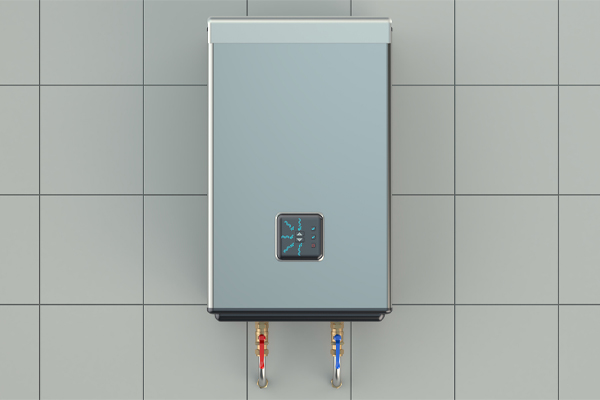
Tankless water heaters provide hot water as needed, reduce energy waste, and take up less space than conventional models. Despite these advantages, misconceptions about their cost, performance, maintenance, and installation often discourage homeowners from making the switch.
Understanding common tankless water heater myths can help homeowners make informed decisions. This article debunks eight widespread misconceptions, clarifies how these systems operate, and highlights important considerations before investing in one.
How Do Tankless Water Heaters Work?
Unlike conventional water heaters that store heated water, tankless systems heat water as needed. When you open a hot water faucet, cold water passes through a heat exchanger, where a gas burner or electric heating element raises its temperature.
This process eliminates standby heat losses associated with storage tanks. However, tankless systems have maximum flow-rate capacities that determine how much hot water they can supply simultaneously.
8 Common Myths About Tankless Water Heaters

Myth #1: Tankless Water Heaters Are Costly to Operate
Tankless water heaters generally cost more to purchase and install than conventional models. However, higher upfront costs don’t necessarily mean higher operating costs.
Traditional water heaters consume energy to maintain stored water at a set temperature, even when hot water is not being used. Tankless systems eliminate these standby losses by heating water only when needed.
The U.S. Department of Energy says tankless water heaters can be 24% to 34% more energy-efficient in homes that use 41 gallons or less of hot water daily. Actual savings depend on consumption, energy prices, and equipment efficiency. Over time, reduced energy use and potentially longer equipment life can help offset the initial investment.
Myth #2: Tankless Water Heaters Require No Maintenance
Although tankless systems eliminate the storage tank, they still require periodic maintenance. Mineral buildup is a common concern, particularly in homes with hard water. Deposits can accumulate inside the heat exchanger, restricting water flow and reducing efficiency.
Routine maintenance may include:
- Heat Exchanger Descaling: This procedure removes mineral deposits that interfere with heat transfer.
- Filter Cleaning: Regular cleaning prevents sediment from restricting water flow.
- Venting Inspections: These inspections ensure gas-fired systems exhaust combustion gases safely.
- Performance Checks: Technicians inspect temperature controls, connections, and safety components.
Maintenance frequency depends on water quality, usage, and manufacturer recommendations. Professional servicing helps prevent unnecessary repairs and premature equipment failure.
Myth #3: Tankless Water Heaters Produce Dangerously Hot Water
Tankless water heaters do not automatically produce excessively hot water. Most modern systems feature adjustable temperature controls that allow homeowners to regulate water temperature.
For many households, a setting around 120°F provides comfortable hot water while reducing scalding risks. However, the right setting depends on household needs and equipment specifications.
Professional installation ensures temperature controls and safety features operate correctly. Anti-scald fixtures provide additional protection, particularly in homes with children or older adults.
Myth #4: Tankless Water Heaters Provide Hot Water Immediately
Tankless systems heat water as needed, but hot water doesn’t always reach every faucet immediately. Once activated, the system heats incoming water, which must travel through the home’s plumbing.
Several factors influence delivery times:
- Distance: Fixtures farther from the heater generally experience longer waiting times.
- Plumbing Layout: Longer pipe runs increase the amount of cooled water that must clear.
- Water Flow: Lower flow rates can extend hot water delivery times.
- System Activation: The heater requires a brief period to detect water flow and begin heating.
Compatible hot water recirculation systems may reduce waiting times, although they require proper configuration and can increase energy consumption.
Myth #5: Tankless Water Heaters Cannot Operate With Well Water
Tankless water heaters can operate with private well water, provided the supply meets manufacturer requirements. The primary concern is water quality rather than the source itself.
Well water may contain minerals, sediment, or iron that affect equipment performance. Hard water can cause scale buildup inside the heat exchanger, while sediment may restrict water flow or clog filters.
Professional water testing helps identify potential problems before installation. Depending on the results, professionals may recommend sediment filtration, water softening, or other treatment solutions to protect the system.
Myth #6: Replacing a Traditional Water Heater With a Tankless Model Is Simple
Switching to a tankless water heater usually requires more than removing the existing storage tank. Tankless systems have different plumbing, electrical, fuel supply, and ventilation requirements.
Depending on the equipment, installation may involve:
- Gas Supply Upgrades: Some gas-fired models require higher fuel-delivery capacity.
- Electrical Modifications: Electric systems may require additional circuits or service upgrades.
- Venting Adjustments: Gas-powered units need manufacturer-approved exhaust arrangements.
- Plumbing Changes: Water connections and equipment placement may require modifications.
Professional installation ensures proper sizing, safe connections, and code compliance. Robinson Plumbing can evaluate your existing system and recommend the necessary modifications.
Myth #7: All Tankless Water Heaters Run on Natural Gas
Tankless water heaters are available in propane, natural gas, and electric configurations. Each option has different operating characteristics and installation requirements.
Natural gas models commonly serve whole-home applications and provide substantial hot water flow. Propane models offer similar capabilities for properties without natural gas service. Electric models eliminate combustion venting requirements but may need significant electrical upgrades for higher-capacity applications.
The best option depends on utility availability, household demand, local energy prices, and installation costs. Professional guidance helps homeowners choose the right equipment.
Myth #8: Tankless Water Heaters Cannot Supply Enough Hot Water
A correctly sized tankless water heater can deliver continuous hot water without depleting a storage tank. However, continuous heating does not mean unlimited water flow.
Tankless systems are rated by their delivery capacity, typically measured in gallons per minute (GPM). Output depends on incoming water temperature and the required temperature increase.
During colder months, lower groundwater temperatures can reduce available hot water flow. Operating multiple fixtures simultaneously may also exceed the unit’s capacity. Proper sizing ensures adequate performance during peak household demand.
FAQs About Tankless Water Heater Myths

Do Tankless Water Heaters Work During Power Outages?
Most modern tankless water heaters, including gas-powered models, require electricity for ignition, controls, and safety components. They generally stop operating during outages unless connected to a compatible backup power source.
Can a Tankless Water Heater Increase a Home’s Value?
A professionally installed tankless water heater may appeal to buyers seeking energy-efficient, space-saving equipment. However, its effect on resale value depends on local market conditions, equipment condition, and buyer preferences.
Are Tankless Water Heaters Noisy During Operation?
Most modern tankless water heaters operate quietly, although some burner, fan, and water-flow sounds are normal. Unusual rattling, excessive vibration, or persistent noise may indicate a problem that requires professional inspection.
Can Tankless Water Heaters Be Installed Outdoors?
Some tankless water heaters are designed specifically for outdoor installation. However, suitability depends on the manufacturer’s specifications, local climate, and freeze protection requirements. In colder regions like Pennsylvania, professional installation and appropriate freeze protection are especially important.
Is It Possible to Install a Tankless Water Heater in the Basement?
Yes. A professional can install a tankless water heater in your basement, provided the location meets the manufacturer’s requirements for ventilation, clearances, and utility connections. Gas-powered models require appropriate venting, while electric models need sufficient electrical capacity. Proper installation by a qualified professional helps maintain safety and compliance with applicable building codes.
Conclusion
Many tankless water heater myths stem from misunderstandings about operating costs, maintenance, installation, and hot water capacity. Properly selected and maintained systems offer energy savings, reliable performance, and continuous hot water within their rated capacity. Understanding these factors helps homeowners determine whether tankless technology meets their needs.
Contact Robinson Plumbing for Professional Plumbing Services in the Lehigh Valley
Robinson Plumbing provides reliable plumbing services to homeowners throughout the Lehigh Valley, helping maintain efficient and dependable plumbing systems. Our licensed plumbers handle water heater installations and replacements, drain cleaning, leak detection, fixture repairs, and other essential plumbing needs. We deliver quality workmanship and practical solutions tailored to your home.
At Robinson Plumbing, we prioritize thorough inspections, accurate diagnostics, and lasting repairs to keep your plumbing system functioning properly. Whether you need a water heater upgrade, routine plumbing service, or prompt repairs, our experienced team is ready to assist. Contact Robinson Plumbing today to schedule a consultation and receive dependable plumbing services you can trust.
Call us today at (610) 351-9889 or contact us for any questions that you might have! Click the link to view our service area.

Related Articles: