
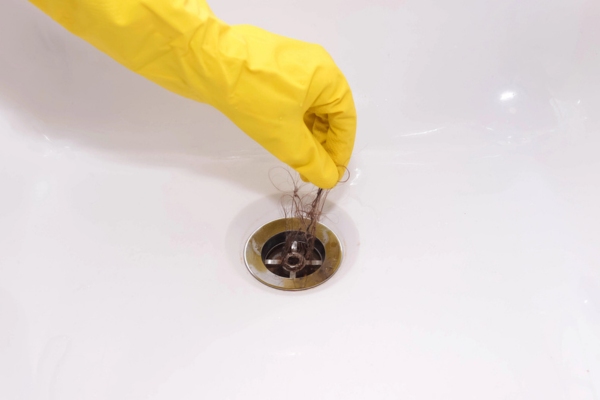
You step into the shower expecting a smooth start to your day. Instead, you notice water pooling around your feet. This common issue is often caused by hair buildup silently restricting your drain.
At Robinson Plumbing, a local plumbing company in Lehigh Valley, we help homeowners resolve slow drains and recurring clogs with practical solutions and professional service. Our team provides reliable drain cleaning, detailed inspections, and preventive maintenance.
This article explains how to prevent hair from clogging drain. It covers how buildup forms, the warning signs to watch for, and the most effective ways to keep your plumbing clear and working properly.
Keep Your Drains Flowing Smoothly: Schedule professional drain cleaning with Robinson Plumbing today. Call now!
Understanding Why Hair Causes Drain Clogs in Lehigh Valley
Contents
- 1 Understanding Why Hair Causes Drain Clogs in Lehigh Valley
- 2 Why Hair Accumulates and Leads to Lehigh Valley Clogs
- 3 Signs That Hair Is Starting to Clog Your Drain
- 4 Effective Ways to Prevent Hair From Clogging the Drain
- 5 Maintenance Practices That Reduce Long-Term Drain Buildup
- 6 What to Do If Hair Has Already Caused a Clog
- 7 FAQs: How to Prevent Hair From Clogging Drain
- 7.1 Can Hair Clogs Damage Your Plumbing System Over Time?
- 7.2 How Does Water Temperature Affect Hair Buildup in Drains?
- 7.3 Do Certain Hair Types Increase the Risk of Drain Clogs?
- 7.4 Can Plumbing Layout Affect How Easily Hair Causes Clogs?
- 7.5 When Should a Plumber in Lehigh Valley Be Called for a Hair-Related Drain Issue?
- 8 Conclusion
- 9 Reach Out to Robinson Plumbing for Dependable Plumbing Services in Lehigh Valley
Hair usually does not cause problems on its own. Issues develop when it interacts with other materials inside your plumbing system.
To prevent clogs effectively, it is important to understand how hair behaves once it enters the drain. A closer look at the process reveals why buildup forms and why it becomes difficult to remove over time.
Why Hair Accumulates and Leads to Lehigh Valley Clogs
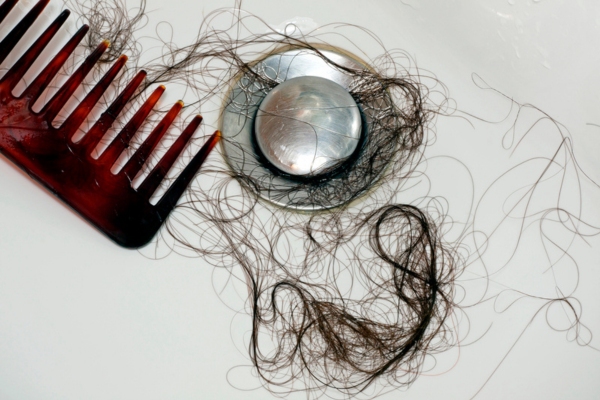
Hair buildup inside drains develops through a combination of material interaction, pipe design, and gradual accumulation. Hair binds with soap and residue, meaning strands that might otherwise pass through pipes instead combine with soap scum, conditioner, and oils to form sticky masses that cling to pipe walls and capture additional debris.
Drain design also slows hair movement. Bathroom systems include stoppers, bends, and traps that reduce water velocity, giving hair more opportunity to settle instead of flushing through. Over time, this leads to a gradual buildup that restricts water flow. Small amounts of trapped hair continue to collect, narrowing the pipe diameter and eventually causing slow drainage or complete blockage.
Stop Hair Clogs Before They Disrupt Your Day: Book expert plumbing service with Robinson Plumbing now.
Signs That Hair Is Starting to Clog Your Drain
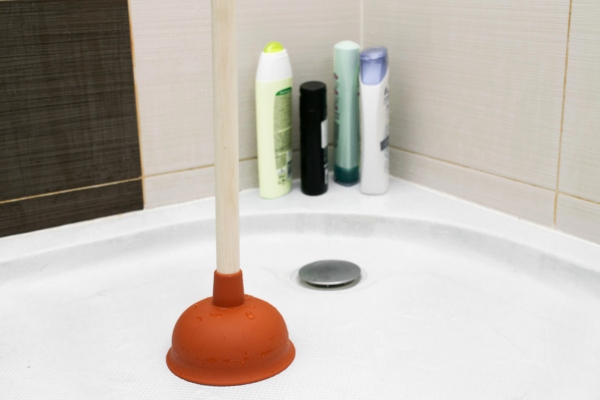
Early warning signs often appear before a complete blockage develops. Slow-draining water is usually the first indicator, as pooling in sinks or tubs suggests a partial obstruction forming inside the pipe. Gurgling sounds may follow. These noises occur when trapped air is forced through water as it moves past developing clogs.
Frequent minor backups are another sign. Repeated slowdowns indicate that buildup is increasing rather than clearing on its own. Unpleasant odors can also develop over time. Hair mixed with soap and organic residue may begin to decompose, producing noticeable smells coming from the drain.
Effective Ways to Prevent Hair From Clogging the Drain
Preventing hair clogs comes down to consistent habits and simple protective measures that stop buildup before it starts.
- Install a Drain Cover or Hair Catcher: Use mesh screens or silicone catchers to intercept hair before it enters the drain. Clean them regularly to maintain effectiveness.
- Brush Hair Before Showering: Removing loose hair before showering reduces the amount that goes down the drain during bathing.
- Clean the Drain Regularly: Remove visible hair from stoppers and drain openings regularly to prevent accumulation.
- Flush Drains With Hot Water: Running hot water after use helps move oils and residue through the pipes before they bind with hair.
- Use Safe Preventive Cleaning Solutions: Periodic use of mild, non-corrosive cleaners or enzyme-based products can break down buildup without damaging pipes.
- Avoid Letting Hair Go Down the Sink: Dispose of collected hair in the trash instead of rinsing it into the drain.
Protect Your Pipes From Costly Blockages: Trust Robinson Plumbing for reliable drain maintenance and cleaning. Call today!
Maintenance Practices That Reduce Long-Term Drain Buildup
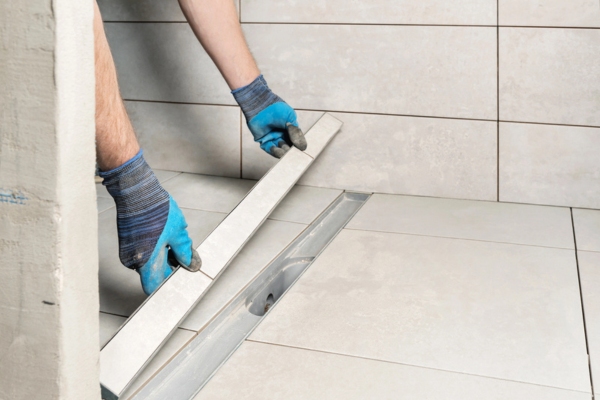
Long-term drain performance depends on consistent maintenance and attention to buildup before it becomes severe.
Perform Routine Inspections
Check drains weekly for visible hair accumulation around stoppers and openings. Early removal prevents strands from moving deeper into the plumbing system, where they are harder to access. Consistent inspection also helps identify slow-forming buildup before it affects drainage performance.
Limit Product Residue
Hair is more likely to form clogs when it combines with heavy conditioners, oils, and styling products. These substances create a sticky coating that allows hair to adhere to pipe surfaces and trap additional debris. Using appropriate amounts and occasionally flushing the drain can reduce residue accumulation.
Eliminate Slow Drains at the Source: Let Robinson Plumbing deliver thorough inspections and effective repairs. Call now!
Schedule Professional Drain Cleaning in Lehigh Valley
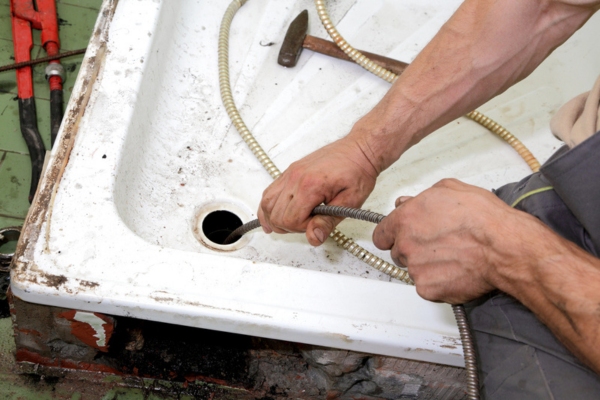
Even with preventive habits, some buildup forms beyond the reach of household tools. Professional drain cleaning removes accumulated material inside pipes using specialized equipment. This process restores proper flow and reduces the risk of recurring clogs.
Maintain Proper Drain Components
Drain stoppers and strainers play a critical role in capturing hair before it enters the system. Ensure these components are properly fitted and in good condition. Damaged or poorly aligned parts allow hair to bypass the barrier, increasing the likelihood of internal buildup.
Prevent Recurring Drain Issues: Choose Robinson Plumbing for dependable plumbing care and long-term solutions.
What to Do If Hair Has Already Caused a Clog
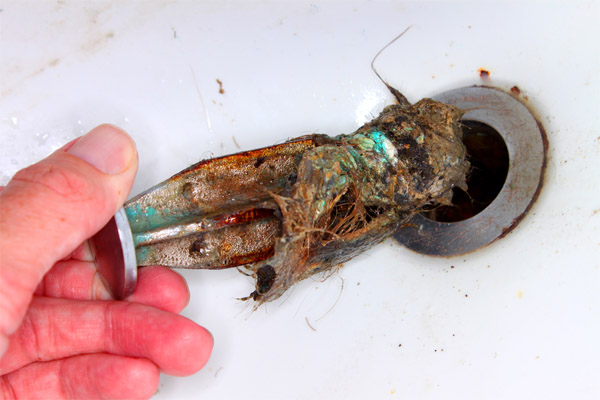
Addressing a clog promptly helps restore proper drainage and prevents additional strain on your plumbing system.
- Remove Surface Blockages First: Start by clearing any visible hair near the drain opening using gloves or a simple removal tool. This step often relieves minor obstructions and improves flow immediately.
- Use a Drain Snake or Auger: Deeper hair clogs often require specialized tools such as a drain snake or auger. These tools are designed to reach into the pipe, break apart compacted buildup, and extract trapped hair. For safety and to avoid damaging the plumbing system, this step is best handled by a professional who has the proper equipment and experience.
- Avoid Harsh Chemical Cleaners: Chemical drain cleaners may not fully dissolve dense hair clogs and can damage pipes over time, especially in older plumbing systems. Repeated use can also create safety risks due to corrosive residues.
- Contact a Professional Plumber: If the clog persists or drainage issues continue, professional service is recommended. Plumbers use specialized equipment to thoroughly remove buildup and restore proper flow without damaging the system.
Restore Proper Drainage in Your Home: Schedule a drain service with Robinson Plumbing today. Call now!
FAQs: How to Prevent Hair From Clogging Drain

Can Hair Clogs Damage Your Plumbing System Over Time?
Yes. Persistent hair buildup can place ongoing strain on your plumbing system. As clogs restrict water flow, pressure increases within the pipes, which can accelerate wear on joints and connections. In some cases, repeated backups can lead to leaks or weakened pipe sections, particularly in older plumbing systems. Addressing buildup early helps preserve pipe integrity and reduces the likelihood of more extensive repairs.
How Does Water Temperature Affect Hair Buildup in Drains?
Water temperature plays a significant role in how residue interacts with hair. Warm or hot water can temporarily soften soaps and oils, allowing them to move through the pipes more easily. However, as the water cools, those substances can solidify and bind to trapped hair, forming thicker obstructions. Consistent flushing with hot water after use helps reduce residue accumulation, but it does not eliminate the need for physical hair removal.
Do Certain Hair Types Increase the Risk of Drain Clogs?
Yes. Thick, coarse, or curly hair tends to create more substantial tangles, which can more easily catch on drain components and pipe interiors. Additionally, individuals who shed more hair during washing or brushing contribute to faster accumulation. Homes with multiple occupants or pets often experience increased clog frequency due to the higher volume of hair entering the system.
Avoid Major Plumbing Problems Down the Line: Trust Robinson Plumbing for expert clog prevention and maintenance.
Can Plumbing Layout Affect How Easily Hair Causes Clogs?
Drain configuration directly affects clog formation. Pipes with multiple bends, long horizontal runs, or improper slope slow water movement, allowing hair to settle and accumulate more easily. Bathroom drains are especially prone to this due to built-in traps and stoppers. A properly designed and installed drainage system promotes smoother flow and reduces the likelihood of recurring blockages.
When Should a Plumber in Lehigh Valley Be Called for a Hair-Related Drain Issue?
Professional service is recommended when slow drainage persists despite routine cleaning, when clogs recur frequently, or when multiple fixtures are affected simultaneously. These signs indicate that the buildup may be located deeper within the plumbing system. A plumber can use specialized tools, such as augers or hydrojetting equipment, to fully remove the obstruction and restore proper flow.
Conclusion
Hair clogs form over time as strands combine with soap, oils, and other debris inside the drain, gradually restricting water flow. Consistent prevention through simple habits and routine maintenance helps limit buildup and maintain steady drainage.
If you are dealing with slow drains or recurring clogs, schedule professional service with Robinson Plumbing today. Our team provides expert drain cleaning and maintenance throughout Lehigh Valley to keep your plumbing system operating efficiently.
Keep Your Bathroom Drains Clear Year-Round: Schedule service with Robinson Plumbing for fast, effective solutions. Call today!
Reach Out to Robinson Plumbing for Dependable Plumbing Services in Lehigh Valley
Across Lehigh Valley, homeowners depend on Robinson Plumbing for professional plumbing services that support dependable operation and system efficiency. Our team provides comprehensive solutions, including clearing clogged drains, identifying hidden leaks, repairing fixtures, servicing water heaters, maintaining sump pumps, and performing thorough plumbing inspections.
All services are completed by licensed plumbers who emphasize precise diagnostics, long-lasting repairs, and consistent performance. Whether you are handling an unexpected problem or scheduling preventive maintenance, Robinson Plumbing offers solutions aligned with your home’s specific needs.
Book your plumbing service with Robinson Plumbing today to maintain reliable performance and efficiency year-round.
Call us today at (610) 351-9889 or contact us for any questions that you might have! Click the link to view our service area.
Related Articles: