Water use can easily go unnoticed until an unusually high utility bill or unexpected plumbing problem brings it to your attention. Tracking household water consumption provides a clearer picture of where water is being used and whether usage patterns are changing.
Monitoring your water use can help identify leaks, reduce waste, manage utility costs, and improve plumbing efficiency. This article covers why tracking matters, where household water is commonly used, how to monitor consumption, and practical ways to conserve water.
Why Tracking Household Water Consumption Matters
Understanding how much water your household normally uses provides valuable insight into everyday plumbing performance. Regular tracking creates a reference point for evaluating changes in consumption and making informed decisions about water use.
What Tracking Your Home’s Water Use Can Reveal

Tracking water use can uncover changes that might otherwise go unnoticed. Unexpected increases may point to running toilets, leaking fixtures, or concealed pipe leaks. Monitoring consumption can also reveal inefficient toilets, faucets, showerheads, and appliances that use more water than newer, water-efficient alternatives.
Regular monitoring can also help households control utility costs and improve conservation habits. Reducing unnecessary water use may lower monthly water bills, while using less hot water can reduce water-heating costs. Homes with private wells may also use less electricity for pumping. By understanding everyday consumption patterns, homeowners can identify wasteful habits and make practical adjustments that conserve water over time.
Where Household Water Consumption in PA Comes From
Household water use comes from several everyday activities, with consumption varying based on household size, routines, fixtures, and seasonal needs. Understanding the main sources can help homeowners identify where water-saving opportunities may exist.
- Toilets, sinks, showers, and baths account for a significant portion of daily household water use.
- Cooking, cleaning, faucet use, and dishwashers contribute to kitchen water consumption, particularly when appliances run with partial loads.
- Washing machines can use substantial amounts of water, making full loads generally more efficient than frequent smaller loads.
- Irrigation, gardening, and vehicle washing can significantly increase outdoor and seasonal water consumption.
How to Track Household Water Usage in Eastern Pennsylvania
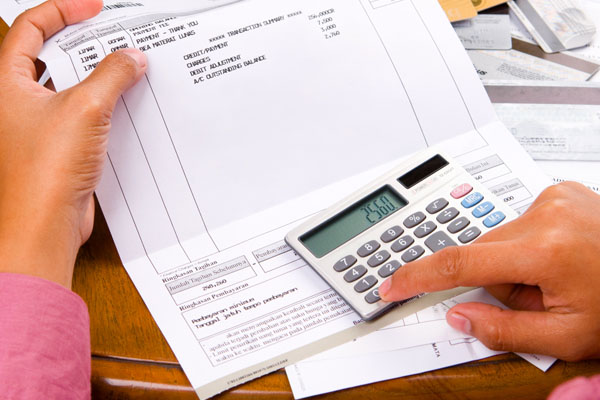
Tracking water use regularly can help homeowners understand normal consumption patterns and recognize unexpected changes that may indicate waste or plumbing concerns. Consistent monitoring is especially useful because water use naturally fluctuates with household occupancy, weather, and seasonal activities.
- Compare several water bills to identify typical consumption, seasonal trends, and unexplained increases. Reviewing the same months from previous years can provide additional context when outdoor water use changes seasonally.
- Check your water meter between billing periods. Continued movement while fixtures and water-using appliances are off may indicate water is flowing somewhere in the plumbing system and should be investigated.
- Use smart water monitors to track consumption, detect unusual flow patterns, and receive alerts. A few models can also automatically turn off the water supply when a potential leak is detected, helping limit water loss and possible property damage.
- Establish a household baseline by tracking several billing cycles. Consider changes in occupancy, irrigation, appliance use, and other routines when comparing results so normal fluctuations are not mistaken for plumbing problems.
What Unusually High Water Consumption Can Indicate
Unusually high water consumption can be an early sign of a plumbing problem. Running toilets and dripping faucets may waste water continuously, causing usage and utility costs to rise over time. Hidden pipe leaks can be harder to detect because they may occur behind walls, beneath floors, or in other concealed areas.
Older toilets, faucets, and other fixtures may also use more water than newer water-efficient models. Tracking unexplained increases can help homeowners recognize these issues sooner and determine when professional plumbing service is needed.
How to Reduce Household Water Consumption
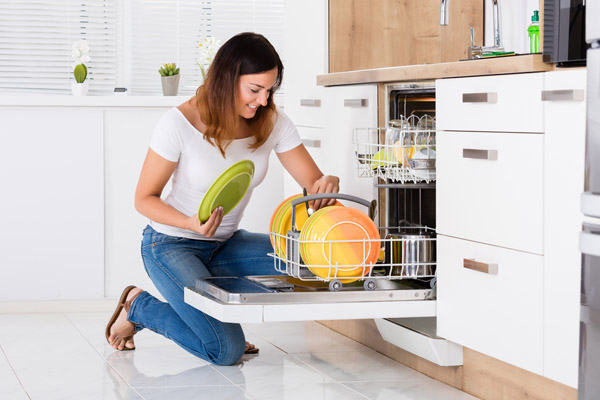
Small changes in plumbing maintenance, daily habits, and fixture efficiency can help reduce unnecessary household water use.
- Repair Leaks Promptly: Address dripping faucets, running toilets, and suspected pipe leaks as soon as possible. Small, persistent leaks can add up to substantial water loss over time.
- Upgrade Inefficient Fixtures: Replace older toilets, faucets, and showerheads with water-efficient models. Modern fixtures can reduce water consumption while maintaining reliable pressure and performance.
- Use Appliances Efficiently: Run dishwashers and washing machines with full loads whenever possible. Fewer cycles can reduce both water and energy consumption.
- Improve Outdoor Watering: Water lawns and gardens during cooler parts of the day to limit evaporation. Reduce irrigation when rainfall or existing soil moisture provides sufficient water.
- Consider Professional Plumbing Upgrades: A plumber can evaluate inefficient fixtures and plumbing components and recommend repairs, water-saving upgrades, or monitoring technology suited to the household.
FAQs: Household Water Consumption
How Much Water Does the Average Household Use Each Day?
Household consumption varies based on the number of occupants, plumbing fixtures, appliances, and daily habits. Rather than relying solely on national averages, homeowners can use their own billing history to understand what is typical for their property.
Can Hard Water Affect Household Water Consumption?
Indirectly, yes. Mineral buildup from hard water can reduce fixture and appliance performance, potentially leading to longer operating times or inefficient water delivery. Water treatment and plumbing maintenance can help address mineral-related problems.
Do Water-Efficient Fixtures Provide the Same Performance as Standard Fixtures?
Modern water-efficient fixtures are designed to reduce water use while maintaining adequate pressure and performance. Products carrying the EPA WaterSense label must meet established efficiency and performance criteria.
Can a Water Heater Affect Overall Water Usage?
Yes. An inefficient or poorly performing water heater may cause occupants to run faucets longer while waiting for hot water or adjusting the temperature. Plumbing layout, water heater location, and hot water delivery systems can also influence how much water is wasted before hot water reaches a fixture.
Can Aging Plumbing Pipes Affect Household Water Use?
Yes. Aging pipes can develop corrosion, mineral buildup, or leaks that restrict flow or waste water. A professional plumbing inspection can identify deteriorating pipes and determine whether repairs or replacement are needed.
Conclusion
Tracking household water consumption can help uncover leaks, identify inefficient fixtures, reduce unnecessary waste, and keep utility costs under control. Establishing a normal usage baseline also makes unusual changes easier to recognize before potential plumbing problems worsen.
If your water consumption has increased unexpectedly or you want to improve your home’s water efficiency, get in touch with a professional plumber for a thorough evaluation and recommendations tailored to your plumbing needs.
Reach Out to Robinson Plumbing for Professional Plumbing Services in Lehigh Valley
Robinson Plumbing provides homeowners throughout Lehigh Valley with reliable plumbing services that support efficient system performance. Our licensed plumbers handle water heater installations and replacements, drain cleaning, leak detection, fixture repairs, and other plumbing needs with quality workmanship tailored to your home.
Whether you need a planned upgrade or help with an unexpected plumbing problem, our team provides accurate diagnostics, dependable repairs, and responsive service. Contact Robinson Plumbing today to schedule an appointment and keep your plumbing system operating reliably.
Call us today at (610) 351-9889 or contact us for any questions that you might have! Click the link to view our service area.
Related Articles:
- Water Conservation Techniques: Water-Saving Home Renovations
- Sustainable Living: Easy Summer Water Conservation Practices for Hot Weather
- Plumbing Safety for Kids: Teaching Your Children About Responsible Water Use
- Bathroom Water Conservation Tips From A Plumber
- 6 Ways To Make Your Home More Water-Efficient