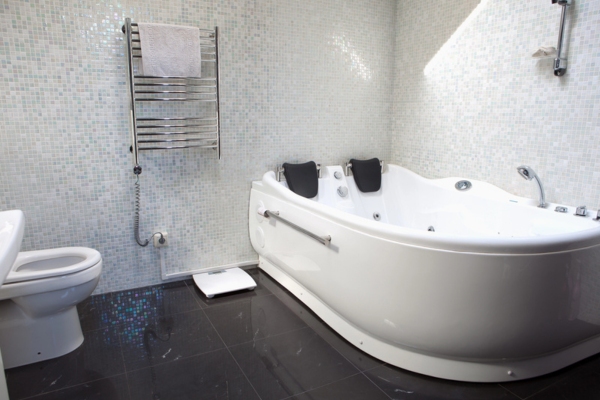
A daily routine like bathing may seem simple, but it can significantly affect your water usage. Whether you prefer a quick rinse or a long soak, understanding how each method compares is crucial to managing household water consumption effectively.
Robinson Plumbing, a trusted plumbing company in Lehigh Valley, supports homeowners in making efficient choices that benefit their utility bills and the environment.
This article examines the actual water usage of showers vs baths, explains how your habits play a role, and offers effective ways to reduce waste without giving up comfort.
Plumbing Problems Solved Right: Count on our experienced team for honest, dependable service. Contact us today!
Showers Vs. Baths: Which Really Saves More Water in Your Home?
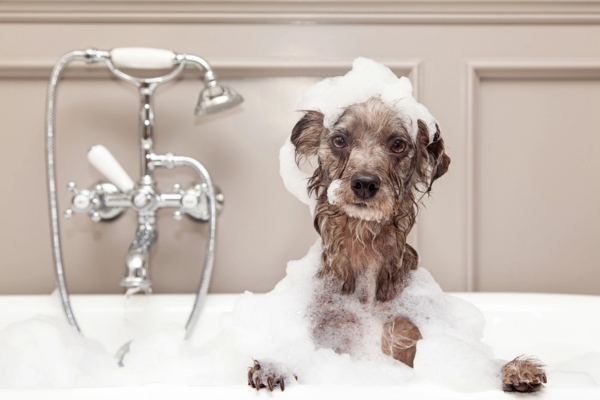
Water conservation starts with understanding how much you use during everyday activities. Bathing routines, in particular, vary widely in their water demands depending on the method and duration.
Protect Your Home’s Plumbing: Let Robinson Plumbing handle upgrades, repairs, and more with expert care. Call now!
Average Water Use for Showers
Shower water usage depends largely on the showerhead and the time spent bathing. Modern models typically release around 2 to 2.5 gallons per minute, meaning a 10-minute shower uses between 20 and 25 gallons. However, older units may exceed these rates.
Installing a low-flow showerhead can significantly reduce consumption, making short showers one of the most efficient ways to stay clean. Still, extended shower times can rival or surpass the volume used in a bath.
Understanding how many gallons per minute your shower uses is essential for managing water use and energy costs.
Average Water Use for Baths
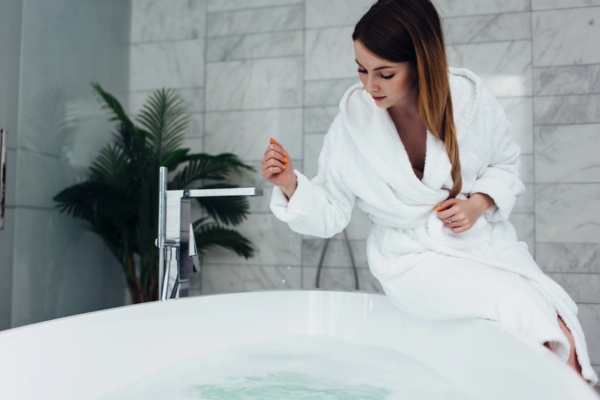
Bath water consumption varies based on the size of the tub and how full it is during use. The average bathtub holds between 30 and 50 gallons when filled to capacity, but many people use less, depending on preference.
While filling the tub completely generally uses more water than a short shower, a shallow bath may use less than a prolonged shower. Knowing your bathtub’s water capacity and typical fill level helps you compare usage more accurately and determine whether your bathing habits are efficient.
Licensed Plumbers You Can Trust: Get professional help for every plumbing need. Reach out today!
Factors That Affect Water Usage
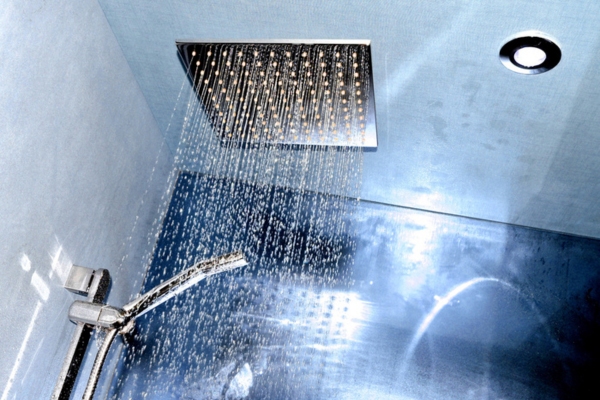
Several factors influence whether a shower or bath uses more water, and small changes can shift your overall consumption. Key variables include:
- Shower Length: Longer showers increase total water use, especially with high-flow showerheads.
- Type of Showerhead: A low-flow model uses less water per minute than older or standard designs.
- Tub Size and Fill Level: Larger bathtubs or filling a tub to the brim greatly increase bath water consumption.
- Frequency of Bathing: Daily baths or extended showers add up over time, raising your overall water usage.
By monitoring shower length, selecting efficient fixtures, and adjusting tub fill levels, you can develop water-saving habits that reduce usage and utility costs.
Fix Plumbing Issues Fast: Choose Robinson Plumbing for prompt, transparent, and skilled plumbing service. Call today!
Environmental Impact of Showers vs. Baths

Every gallon of water used in the home requires energy for treatment, delivery, and heating. This process contributes to your household’s overall energy use and carbon emissions.
Hot water, in particular, has a high environmental cost, as heating it typically relies on electricity or fuels. Showers and baths differ in how much hot water they use, with longer showers and full tubs consuming more energy.
Reducing hot water demand through shorter showers or shallower baths promotes better water conservation. For example, a low-flow showerhead minimizes water and energy waste by limiting gallons per minute without sacrificing comfort.
These small changes offer significant environmental benefits, especially in households with multiple occupants. Adopting eco-friendly bathing practices supports sustainability and lowers your monthly utility costs, making them environmentally and financially responsible choices.
Water-Saving Tips for Showers and Baths
There are several simple and effective ways to conserve water while bathing. These changes require little effort but can result in meaningful reductions in water use and energy costs:
- Install a WaterSense-labeled Showerhead: These models meet EPA standards for efficiency, using no more than 2 gallons per minute without sacrificing performance.
- Take Shorter Showers: Reducing shower time by a few minutes can save gallons of water each day.
- Fill the Tub Only Halfway: A half-full bath still provides comfort while significantly reducing bath water consumption.
- Turn Off the Water While Lathering: Whether showering or bathing, shutting off the tap while applying soap or shampoo helps cut down on unnecessary flow.
These water-saving shower tips and bath water reduction strategies allow you to conserve water while bathing without giving up comfort. Over time, these habits help lower your utility bills and support long-term water conservation efforts.
Dependable Plumbing Experts: Experience the difference with licensed professionals who put your comfort first. Contact us today!
Comparing Costs: Showers Vs. Baths

When evaluating bath cost vs shower cost, it’s essential to consider both water usage and the energy needed to heat that water. Water heating accounts for a large share of household energy expenses.
Baths often use more hot water in a single use, especially when filled close to capacity, leading to higher heating costs. In contrast, a short shower with a low-flow head uses less water and energy, making it a more cost-effective option. Understanding these differences can help you make energy-efficient bathing choices that save money over time.
Professional Plumbing You Deserve: From repairs to upgrades, Robinson Plumbing delivers honest and skilled service. Call now!
Health and Lifestyle Considerations
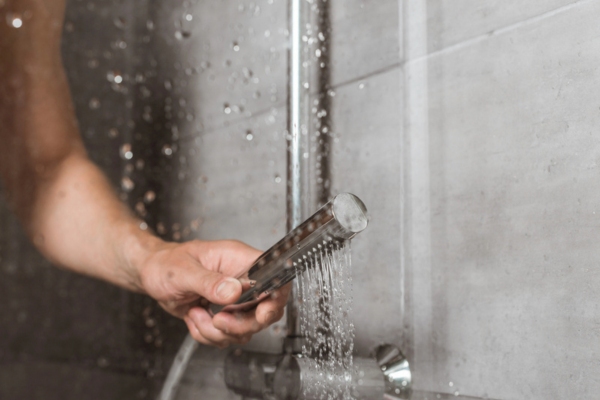
Personal bathing habits are shaped by more than just water use. Baths offer relaxation and potential health benefits, such as soothing sore muscles and reducing stress, making them ideal for wellness routines. On the other hand, showers are typically faster and better suited for busy schedules.
Choosing between a shower and a bath often depends on comfort, convenience, and individual needs. While water efficiency is important, maintaining a routine that supports your health and lifestyle ensures long-term consistency. Balancing shower vs bath relaxation with conservation goals helps create a routine that works practically and personally.
Your Trusted Plumbing Partner: Keep your plumbing working its best with Robinson Plumbing. Call now!
Showers Vs Baths: FAQs
Are There Ways to Reuse Bathwater Safely?
Yes, with a professionally installed graywater recycling system, bathwater can sometimes be reused for tasks like toilet flushing or irrigation. However, this water must be filtered and treated to avoid harmful bacteria or residue buildup. Always consult a licensed plumber to ensure graywater reuse meets local codes and is safe for your home and family.
Does Water Temperature Affect Water Usage?
The amount of water stays the same regardless of temperature, but hotter water increases energy demand. Heating water accounts for a large share of energy use in the home. Opting for slightly cooler showers or limiting hot water use can lower your energy bill and environmental impact.
How Does My Water Source Impact the Choice Between Showers and Baths?
Conserving water is even more important if your home relies on a private well or a limited water delivery system. Taking shorter, efficient showers helps preserve your water reserves and protects against periods of low water supply or drought-related restrictions.
Safe, Code-Compliant Plumbing: Our licensed team ensures quality workmanship you can rely on. Reach out today!
Can Smart Home Technology Help Manage Water Use in the Bathroom?
Absolutely. Smart shower systems and water monitors can track flow rates, water temperature, and usage patterns in real time. These tools give you data-driven insights to identify waste, set usage limits, and make more informed decisions about your water habits.
What Role Does Personal Hygiene Play in Choosing Showers Vs. Baths?
Showers tend to rinse soap, oils, and dirt off your skin more effectively because the water constantly refreshes. In a bath, these residues remain in the tub water. People with sensitive skin, allergies, or certain medical conditions may benefit more from showers to keep skin cleaner and reduce irritation.
Conclusion
When comparing showers and baths, the more water-efficient option depends on your habits. Short showers with a low-flow showerhead generally use less water and energy than a full bath, making them the more eco-friendly and cost-effective choice. However, long showers can consume more water than a partially filled tub.
Understanding your typical usage, choosing efficient fixtures, and making minor adjustments can result in significant savings. Whether you prefer quick showers or occasional baths, being mindful of water and energy use helps reduce utility costs while supporting environmental conservation. A balanced approach offers comfort without unnecessary waste.
Restore Your Plumbing With Confidence: Trust Robinson Plumbing for licensed, reliable plumbing solutions. Call now!
Call Robinson Plumbing For Superior Plumbing Services
Turn to Robinson Plumbing when you need dependable plumbing assistance throughout Lehigh Valley. We offer an extensive array of services, including toilet repair services, sump pump installations, drain cleaning, water heater installations, leak repairs, and more. Our services are tailored to meet your specific needs and budget. Benefit from our same-day emergency plumbing service, which is designed to address your urgent plumbing needs swiftly and economically.
Our proficient service is renowned throughout the Lehigh Valley. Our professionally certified plumbers ensure top-quality work and complete satisfaction. Contact Robinson Plumbing for a consultation and discover our dedication to excellence.
Facing plumbing issues? Contact us now! Our skilled team is ready to resolve all your plumbing challenges.
Call us today at (610) 351-9889 or contact us for any questions that you might have! Click the link to view our service area.
Related Articles: