

Have you ever wondered how long your home’s plumbing system is expected to last? Although plumbing is designed for long-term performance, pipes, fixtures, and other components eventually wear out with age and regular use. Knowing the typical lifespan of home plumbing system can help you plan for upkeep, avoid unexpected failures, and make informed decisions about repairs or replacements.
In this article, you’ll learn what affects plumbing longevity, how long common plumbing materials typically last, and the warning signs that your system may be reaching the end of its service life.
What Affects the Lifespan of Your Lehigh Valley Plumbing System?
The lifespan of a plumbing system depends on more than just its age. Material quality, water conditions, installation practices, and routine maintenance all play important roles in determining how long pipes and fixtures remain reliable.
For example, hard water can gradually cause mineral deposits to build up inside pipes and fixtures, restricting water flow and increasing wear. Corrosion, fluctuating water pressure, and poor installation can also shorten the life of plumbing components. On the other hand, regular inspections, prompt repairs, and preventive maintenance can help prolong the service life of your plumbing system.
Average Lifespan of Common Plumbing Pipes
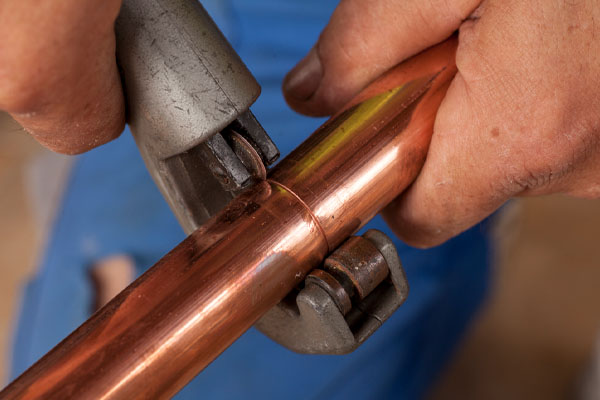
Different piping materials have different expected service lives. While these estimates can vary depending on water quality, usage, and maintenance, they provide a general guideline for homeowners.
Copper Pipes
Copper piping has long been valued for its durability and corrosion resistance. With proper installation and maintenance, copper pipes typically last 50 to 70 years or longer. However, acidic water, frequent pressure fluctuations, or poor water quality may shorten their lifespan.
PEX Pipes
PEX (cross-linked polyethylene) piping is widely used in newer homes because it is flexible, corrosion-resistant, and relatively easy to install. Most PEX systems have an expected lifespan of 40 to 50 years when installed correctly and protected from prolonged ultraviolet (UV) exposure.
PVC and CPVC Pipes
PVC is commonly used for drain, vent, and waste lines, while CPVC is approved for both hot and cold potable water supply lines. Depending on operating conditions, these materials generally last 50 years or more.
Galvanized Steel Pipes
Many older homes still contain galvanized steel plumbing. Although durable when first installed, these pipes typically last 40 to 50 years before internal corrosion begins to restrict water flow and affect water quality. Homes with galvanized plumbing often benefit from a professional inspection to determine whether replacement is appropriate.
Cast Iron Pipes
Cast iron has been widely used for drain and sewer lines because of its strength and sound-dampening properties. With proper maintenance, cast iron pipes often last 75 to 100 years, although corrosion and shifting soil conditions can shorten their lifespan.
Brass Pipes
Brass piping was commonly installed in older homes and is known for its excellent corrosion resistance. Depending on water quality and maintenance, brass pipes generally provide 40 to 70 years of reliable service.
How Long Do Plumbing Fixtures Last?
While pipes often last for decades, plumbing fixtures usually require replacement sooner because of daily use and normal wear.
- Faucets: Approximately 15 to 20 years, depending on usage, water quality, and routine maintenance.
- Toilets: The porcelain fixture can last 50 years or more, although internal components such as flappers, fill valves, and flush mechanisms often require replacement much sooner.
- Water Heaters: Typically 8 to 15 years, depending on the water heater unit type, water quality, and maintenance.
- Garbage Disposals: Generally 8 to 15 years with proper use and routine care.
- Showerheads: Most showerheads last 10 to 20 years, although hard water may shorten their lifespan by causing mineral buildup.
- Sump Pumps: A properly maintained sump pump typically lasts 7 to 10 years, depending on usage frequency and maintenance.
Regular tune-ups can often extend the life of these fixtures and help prevent premature failures.
Signs Your Plumbing System May Be Aging
Plumbing problems do not always appear suddenly. In many cases, aging pipes and fixtures show warning signs before major issues develop. Common indicators include:
- Frequent leaks or recurring pipe repairs
- Low water pressure throughout the home
- Rust-colored or discolored water
- Slow drains in multiple fixtures
- Visible corrosion on exposed pipes
- Unusually high water bills without increased usage
If you notice several of these warning signs, scheduling a professional plumbing inspection can help identify underlying issues before they become more costly.
How To Help Extend the Life of Your PA Home Plumbing System

Although every plumbing system eventually reaches the end of its service life, routine maintenance can help maximize its longevity. Preventive care reduces everyday wear, improves system performance, and allows minor issues to be resolved before they become costly repairs.
Scheduling routine plumbing inspections helps identify developing problems early, while repairing leaks promptly prevents unnecessary strain on pipes and fixtures. Managing hard water with an appropriate water treatment system can also minimize mineral buildup and improve long-term performance.
Avoiding chemical drain cleaners helps protect certain types of piping from premature deterioration. Monitoring water pressure and using drains properly by keeping grease, wipes, and other unsuitable materials out of sinks and toilets can also help extend the life of your plumbing system.
When Should Pennsylvania Plumbing Be Replaced?
Not every plumbing issue requires a complete replacement. Many isolated leaks or damaged fixtures can be repaired successfully. However, widespread corrosion, repeated leaks, aging pipe materials, or declining water quality may indicate that partial or complete repiping is the more practical long-term solution.
A licensed plumber can evaluate your plumbing system’s condition and recommend the best repair or replacement options based on its age, condition, and performance.
Lifespan of Home Plumbing: FAQs

How Often Should a Home’s Plumbing System Be Professionally Inspected?
Most homeowners should schedule a plumbing inspection every one to two years. Older homes or properties with recurring plumbing issues may benefit from more frequent checkups to identify hidden leaks, corrosion, or other developing problems before they worsen.
Can Tree Roots Damage Underground Plumbing Pipes?
Yes. Tree roots naturally seek out moisture and can enter small cracks or pipe joints, particularly in older sewer lines. As roots grow, they may cause blockages, leaks, or structural damage that reduces the service life of underground plumbing.
Does High Water Pressure Shorten the Lifespan of Plumbing?
Yes. Excessively high water pressure places additional stress on pipes, fittings, fixtures, and water-using appliances. Maintaining water pressure within the recommended range helps reduce wear and lowers the risk of leaks or pipe failures.
Should I Repair or Replace an Aging Plumbing Fixture?
The best option depends on the fixture’s age, condition, and repair history. Minor issues can often be repaired cost-effectively. However, replacing an older fixture may provide better long-term reliability if repairs become frequent or replacement parts are difficult to find.
Can Freezing Temperatures Damage Pipes Without Causing Them To Burst?
Yes. Water expands as it freezes, placing significant pressure on plumbing pipes. Even if a pipe does not burst immediately, repeated freezing and thawing can weaken the material over time, increasing the likelihood of future leaks or failures.
Conclusion
The lifespan of your home’s plumbing system depends on factors such as pipe materials, water quality, installation quality, and routine maintenance. Regular inspections, prompt repairs, and preventive care can help extend its service life while reducing the risk of costly plumbing problems.
If you’re concerned about the condition of your plumbing, contact Robinson Plumbing for professional plumbing services across the Lehigh Valley. Our experienced plumbers provide expert inspections, repairs, fixture replacements, and repiping solutions to keep your plumbing system operating safely and efficiently. Schedule your service today.
Contact Robinson Plumbing for Professional Plumbing Services Across the Lehigh Valley
Homeowners rely on Robinson Plumbing for dependable plumbing services throughout the Lehigh Valley that help keep their water systems running smoothly. Our experienced plumbers provide a full range of solutions, including leak repairs, drain cleaning, water heater services, fixture installations, sump pump repairs, and comprehensive plumbing inspections.
Every service is completed with a focus on lasting results, quality workmanship, and dependable customer care. Whether you need prompt repairs, routine maintenance, or expert recommendations for an aging plumbing system, we’ll deliver solutions tailored to your home’s needs.
Contact Robinson Plumbing today to schedule your plumbing service and let our team help keep your plumbing system operating safely and efficiently.
Call us today at (610) 351-9889 or contact us for any questions that you might have! Click the link to view our service area.
Related Articles: