

Choosing to insulate water pipes is a practical way to protect your plumbing while improving efficiency throughout your home. Proper pipe insulation helps hot water retain heat, reduces condensation on cold-water lines, and adds protection for vulnerable pipes against freezing temperatures. These benefits are especially valuable for plumbing that runs through basements, crawl spaces, garages, exterior walls, and other unconditioned areas.
This article covers why you should insulate water pipes, which plumbing lines benefit most, and how proper insulation can support energy efficiency, moisture control, and protection during cold weather.
The Benefits of Water Pipe Insulation in the Lehigh Valley

Your plumbing system is affected by the temperature and humidity of its surroundings. Pipes located in conditioned living spaces generally receive some protection from temperature extremes, while plumbing in unfinished or poorly heated areas can be considerably more vulnerable.
Adding insulation creates a thermal barrier between the pipe and the surrounding environment. Depending on the location and type of plumbing, this can provide several important benefits.
1. Reduce the Risk of Frozen and Burst Pipes
Water expands when it freezes. When water inside a pipe freezes, the resulting pressure can place significant stress on the plumbing system and potentially contribute to cracks, leaks, or burst pipes.
Pipes running through crawl spaces, garages, unfinished basements, exterior walls, and other cold areas are often at greater risk. Insulation slows heat transfer and helps pipes retain more warmth during periods of low temperatures.
Insulation alone cannot guarantee that plumbing will never freeze, particularly during prolonged cold conditions. However, properly protecting vulnerable pipes is an important part of winterizing a home’s plumbing system.
2. Improve Hot-Water Efficiency
Hot water begins losing heat as soon as it leaves the water heater and travels through the home’s plumbing. Longer pipe runs and plumbing located in colder areas can increase this heat loss.
Insulating hot-water pipes helps retain more heat as water travels toward showers, faucets, dishwashers, and other fixtures. Better heat retention can improve hot-water delivery while reducing unnecessary energy loss.
This can be particularly useful when plumbing travels through an unfinished basement or another area where the surrounding temperature is considerably lower than the water inside the pipe.
3. Reduce Water Heating Costs
Water heating represents an ongoing portion of household energy consumption. Heat that escapes through uninsulated plumbing is energy that does not reach the fixture where the hot water is needed.
Reducing this heat loss can support more efficient operation of the home’s water-heating system. Actual savings will vary based on factors such as household water use, plumbing layout, pipe length, water-heater efficiency, and insulation quality.
Pipe insulation should therefore be viewed as one component of an efficient plumbing and water-heating system, not a standalone solution for high energy bills.
4. Control Condensation on Cold-Water Pipes
Have you noticed water droplets forming on exposed cold-water pipes during warm or humid weather? The pipe may not be leaking. Instead, the moisture can be condensation.
Condensation develops when warm, humid air contacts a sufficiently cold pipe surface. Repeated moisture accumulation can leave nearby building materials damp and may contribute to deterioration over time.
Properly installed insulation separates the cold pipe surface from surrounding humid air. This can significantly reduce condensation and help keep areas around the plumbing drier.
5. Provide a Protective Barrier Around Hot Pipes
Hot-water pipes can become uncomfortable or potentially hazardous to touch, especially when exposed in accessible areas.
Pipe insulation provides an additional barrier between heated plumbing and people who may accidentally come into contact with it. This can be particularly useful in utility rooms, basements, and other locations where exposed pipes are within easy reach.
Which Water Pipes Should You Insulate?
It is not always necessary to treat every pipe in a home as equally vulnerable. Location, surrounding temperature, moisture levels, and whether the line carries hot or cold water all influence the potential benefits of insulation.
Hot-water lines are strong candidates because insulation helps retain heat as water moves from the water heater to fixtures. Pipes in garages, crawl spaces, unfinished basements, and other unconditioned areas may also benefit from added protection during cold weather.
Plumbing located along exterior walls deserves particular attention. Air leakage and exposure to colder outdoor temperatures can make these areas susceptible to freezing.
Cold-water pipes may also need insulation when condensation regularly develops on their surfaces. A plumber can inspect the home’s plumbing layout and determine which areas should receive priority.
Choosing the Right Water Pipe Insulation

The right pipe insulation depends on the pipe type, location, surrounding conditions, and water temperature. Consider these key factors:
- Insulation Material: Foam sleeves and fiberglass are common options, with different levels of thermal resistance, moisture protection, and durability. Choose a material suited to the pipe and its environment.
- Thickness and Fit: Insulation should fit securely around the pipe with minimal gaps. Elbows, valves, tees, and fittings also need proper coverage to limit heat transfer.
- Moisture Resistance: Cold-water pipes may require moisture-resistant insulation to control condensation. Properly sealed seams help prevent humid air from reaching the cold pipe surface.
Why Proper Pipe Insulation Installation Matters
Even quality insulation will provide limited benefits if it is installed incorrectly. Gaps, compressed sections, exposed fittings, poorly sealed joints, and inappropriate materials can reduce overall performance.
A professional plumbing inspection can also identify issues that may otherwise become hidden beneath insulation. Corrosion, small leaks, damaged fittings, and deteriorating pipe sections should be addressed before the plumbing is covered.
A licensed plumber can evaluate vulnerable sections, determine the right insulation, and ensure the installation provides effective coverage without interfering with valves, fittings, or other plumbing components.
When Should You Insulate Your Water Pipes?
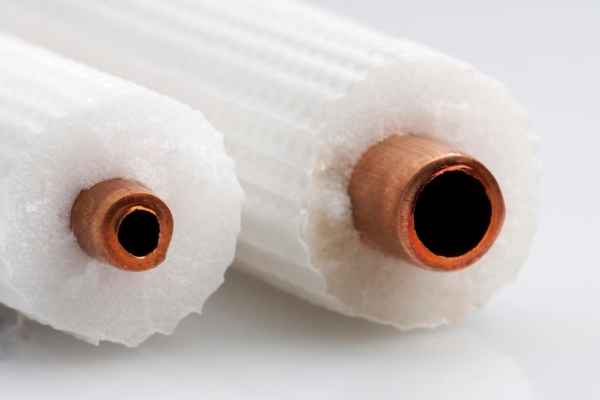
Pipe insulation can be installed throughout the year, although homeowners should ideally address vulnerable plumbing before freezing temperatures arrive.
Fall is a practical time to inspect exposed pipes and prepare the plumbing system for winter. Insulation can also be considered during a water heater replacement, plumbing renovation, basement improvement, or another project that provides easier access to water lines.
Homeowners should pay particular attention to plumbing that has frozen previously. A history of frozen pipes can indicate underlying problems involving insulation, air leakage, pipe placement, or inadequate heating that warrant professional evaluation.
FAQs: Insulate Water Pipes

How Long Does Water Pipe Insulation Last?
The lifespan depends on the material, installation quality, and surrounding environment. Insulation should be periodically checked for cracks, compression, moisture damage, loose seams, or deterioration that could reduce its effectiveness.
Can Pipe Insulation Help Reduce Plumbing Noise?
In some cases, yes. Certain insulation materials can help dampen sounds caused by water movement and minor pipe vibration. Persistent banging, knocking, or unusually loud plumbing should be inspected since it may indicate another issue.
Can You Put Insulation Over Corroded Pipes?
Corroded pipes should be evaluated before insulation is added. Covering existing deterioration can make leaks or worsening corrosion harder to detect and may delay necessary plumbing repairs.
Does Pipe Insulation Need to Be Replaced After a Plumbing Leak?
Possibly. Insulation that becomes saturated, damaged, or contaminated may lose effectiveness and should be replaced. The pipe and surrounding area should also be inspected to ensure the leak has been fully resolved.
Can Pipe Insulation Interfere With Plumbing Repairs?
Insulation may need to be temporarily removed when plumbers access valves, fittings, joints, or damaged sections. Properly installed insulation can usually be replaced or restored after the plumbing work is completed.
Conclusion
Insulating water pipes can reduce heat loss, control condensation, improve energy efficiency, and protect vulnerable plumbing during cold weather. Choosing the right insulation and ensuring proper coverage can help homeowners protect their plumbing and avoid preventable problems.
If you need help protecting your pipes or addressing other plumbing concerns, contact Robinson Plumbing. Our experienced plumbers serve homeowners throughout the Lehigh Valley with dependable solutions designed to keep plumbing systems safe and reliable. Call today to schedule professional plumbing service.
Call Robinson Plumbing for Superior Plumbing Services in the Lehigh Valley
Robinson Plumbing provides dependable plumbing services throughout the Lehigh Valley for routine repairs and unexpected emergencies. Our experienced plumbers handle drain clogs, water heater replacements, toilet repairs, water leaks, and other residential plumbing problems. Whenever possible, we provide multiple repair options to help you choose the right solution for your home and budget.
For urgent problems, Robinson Plumbing also offers 24-hour emergency plumbing service. Our licensed plumbers have the training and experience to diagnose issues accurately and provide quality repairs that restore your plumbing system.
We are committed to affordable, professional service backed by dependable customer care and guaranteed workmanship. Contact Robinson Plumbing today to schedule your free estimate and get reliable plumbing service from a trusted Lehigh Valley plumbing company.
Call us today at (610) 351-9889 or contact us for any questions that you might have! Click the link to view our service area.
Related Articles: