
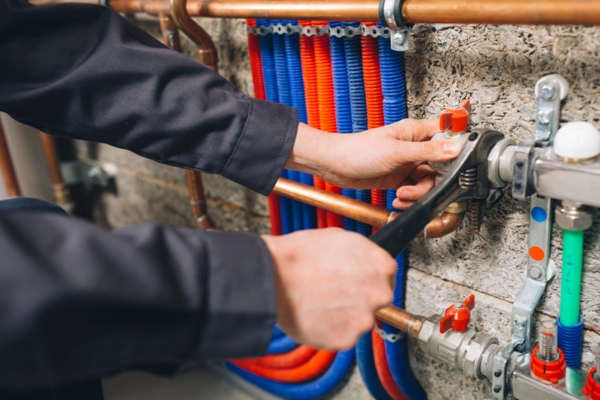
An aging plumbing system can develop serious problems as pipes, fixtures, and underground sewer lines deteriorate over time. Corrosion, mineral buildup, and tree root intrusion are among the most common issues affecting older homes. If left unaddressed, these problems can reduce water pressure, cause recurring leaks, lead to costly repairs, and cause extensive property damage.
Understanding the warning signs of an aging plumbing system can help homeowners identify problems before they become emergencies. This article covers three common plumbing issues in older homes, their causes, and practical steps to protect your plumbing system.
Why Aging Plumbing Systems Are More Vulnerable to Damage
Aging plumbing systems gradually deteriorate due to daily use, water pressure, mineral buildup, and environmental conditions. Pipe material, water quality, installation methods, and maintenance history all influence how quickly components wear out.
Corrosion, poor connections, soil movement, and temperature changes can further weaken pipes, increasing the risk of leaks, blockages, and reduced water flow. While older plumbing doesn’t always require replacement, regular inspections and timely repairs can prevent costly failures and extend its lifespan.
3 Common Problems With Aging Plumbing Systems and How to Prevent Them
1. Tree Root Intrusion in Underground Plumbing Lines
Tree roots commonly damage underground sewer lines, especially in older homes with deteriorating pipe joints or existing cracks. Roots naturally seek moisture and nutrients so that they can enter damaged pipes through small openings. As they grow, they can obstruct wastewater flow and worsen existing structural damage.
Older clay, concrete, and cast-iron sewer pipes are particularly vulnerable. Common problems caused by root intrusion include:
- Recurring Drain Blockages: Roots trap grease, debris, and waste, gradually restricting wastewater flow.
- Cracked or Broken Pipes: Expanding roots can widen existing fractures and damage weakened pipe joints.
- Sewer Backups: Severe blockages can force wastewater back through household drains and fixtures.
- Underground Leaks: Damaged sewer lines can release wastewater into surrounding soil, affecting landscaping and nearby structures.
Warning signs include slow drains, recurring clogs, gurgling toilets, unpleasant odors, and unusually lush or wet patches of grass. A professional sewer camera inspection can identify root intrusion and assess the damage.
Preventing Tree Root Damage
Avoid planting large trees near underground sewer lines and schedule professional inspections when drainage problems develop. Drain cleaning can remove root obstructions, while recurring intrusion may require pipe lining, targeted repairs, or sewer line replacement. Addressing damaged pipes promptly helps prevent further root growth and costly plumbing failures.
2. Corrosion and Rust in Aging Plumbing Pipes
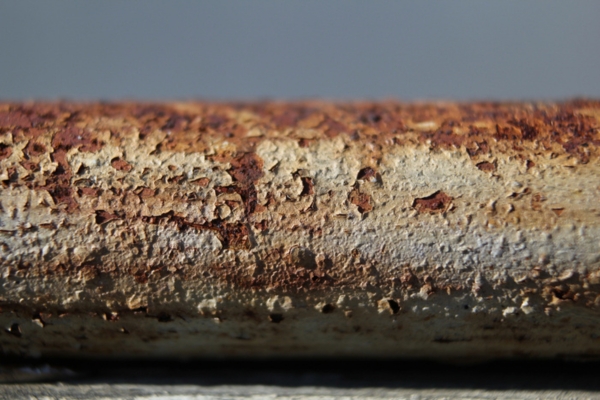
Corrosion is common in older plumbing systems, especially those with galvanized steel supply pipes or cast-iron drains. Over time, water and environmental conditions weaken metal pipes, increasing the risk of leaks, restricted water flow, and premature failure.
Galvanized steel pipes have a protective zinc coating that gradually wears away, exposing the underlying metal to rust. Cast-iron pipes can deteriorate from prolonged exposure to wastewater, while certain water conditions can accelerate corrosion in copper pipes. As damage progresses, pipes become more vulnerable to fractures, pinhole leaks, and internal blockages.
Common warning signs include:
- Discolored Water: Brown, yellow, or reddish water may indicate rust or sediment in the plumbing system.
- Frequent Leaks: Recurring pipe leaks can suggest widespread deterioration.
- Reduced Water Flow: Corrosion deposits can narrow pipes and restrict water movement.
- Visible Rust: Rust around exposed pipes, fittings, and connections may indicate ongoing corrosion.
- Unusual Water Taste: Changes in taste may signal corrosion or water quality issues requiring testing.
Discolored water can also result from municipal supply disturbances or water heater sediment, making professional assessment important.
Preventing Corrosion-Related Plumbing Problems
Regular plumbing inspections help identify deteriorating pipes before major failures occur. Water testing can reveal corrosive conditions, while replacing severely damaged pipes with modern materials can improve reliability. Timely repairs and targeted repiping help prevent water damage, recurring leaks, and costly plumbing emergencies.
3. Mineral Buildup and Restricted Water Flow
Mineral buildup is common in homes with hard water, which contains elevated levels of dissolved calcium and magnesium. Over time, these minerals form deposits inside pipes, fixtures, and appliances, restricting water flow and reducing efficiency. Older galvanized pipes are especially vulnerable when mineral deposits combine with corrosion.
Hard water can affect several plumbing components:
- Water Pipes: Mineral deposits narrow pipes, restricting water flow and reducing pressure at fixtures.
- Faucets and Showerheads: Scale buildup blocks small openings, causing uneven or weakened water flow.
- Water Heaters: Sediment accumulation can reduce heating efficiency and increase maintenance needs.
- Household Appliances: Mineral deposits can affect the performance of dishwashers, washing machines, and other water-using equipment.
Common warning signs include white, chalky deposits around faucets, persistent water spots, weak shower pressure, and declining hot water performance. Unusual water heater noises may also indicate sediment buildup. However, low water pressure can also result from leaks or other plumbing problems, so proper diagnosis is important.
How to Prevent Mineral Buildup
Water testing can determine hardness levels and identify appropriate treatment options. Installing a properly sized water softener helps reduce calcium and magnesium concentrations, limiting future scale formation. Regular water heater maintenance and fixture cleaning can also improve performance, while severely restricted pipes may require professional cleaning or replacement.
Additional Problems Common in Older Plumbing Systems
Beyond tree root intrusion, corrosion, and mineral buildup, aging plumbing systems can develop other issues that require attention:
- Worn Plumbing Fixtures and Connections: Aging faucets, valves, toilets, and seals can cause dripping fixtures, running toilets, and leaks. Prompt replacement helps prevent water waste and moisture damage.
- Deteriorating Sewer Lines: Older sewer pipes may crack, separate, or weaken due to corrosion and soil movement. Frequent backups, slow drains, and unpleasant odors may indicate the need for professional inspection or repair.
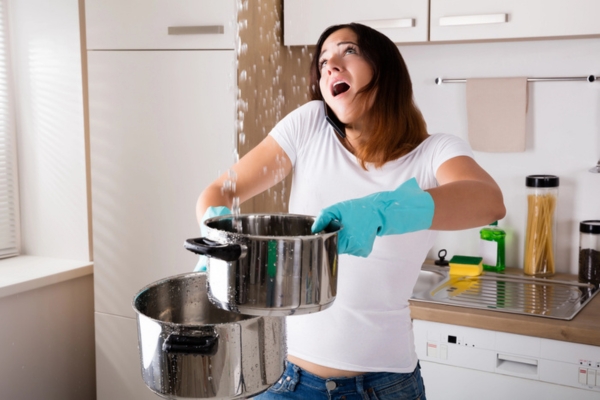
- Hidden Water Leaks: Leaks behind walls, beneath floors, or above ceilings can go unnoticed, causing water damage, mold growth, and increased utility bills. Early detection helps prevent costly repairs.
Water stains, peeling paint, musty odors, and unexplained increases in water bills may indicate concealed moisture. Early leak detection helps limit structural damage and potential mold growth.
When Should You Replace an Aging Plumbing System?
Older plumbing does not always need complete replacement. The decision depends on pipe materials, overall condition, repair history, and the severity of existing problems. A comprehensive plumbing inspection can help you decide whether targeted repairs are enough or whether broader upgrades offer better long-term value.
Replacement may be appropriate when leaks occur repeatedly, corrosion is widespread, water flow remains restricted, or underground pipes have extensive structural damage. Professional plumbers can evaluate the system and recommend solutions based on its condition, not age alone.
FAQs About Aging Plumbing Systems

How Long Does Plumbing Typically Last in an Older Home?
Plumbing lifespan depends on pipe material, water quality, installation, and maintenance. Copper pipes may last 50 years or longer, while galvanized steel often deteriorates sooner. Some plastic pipes can also last several decades. Professional inspections help assess their remaining lifespan.
Can Old Plumbing Pipes Affect Drinking Water Quality?
Yes. Corroded pipes and outdated plumbing materials can introduce contaminants into drinking water. Older components may also contain lead. Certified water testing can identify potential risks and determine whether treatment or pipe replacement is necessary.
Can Homeowners Replace Old Plumbing Pipes in Stages?
Yes. Partial repiping allows homeowners to replace deteriorating sections gradually. Prioritizing damaged or leaking pipes can reduce immediate risks. A professional plumber can determine whether phased replacement or complete repiping is more cost-effective.
How Often Should an Older Home’s Plumbing Be Inspected?
Annual plumbing inspections are generally recommended for older homes, especially those with recurring leaks or drainage problems. Systems showing significant deterioration may need more frequent evaluations based on pipe condition and repair history.
Does Homeowners Insurance Cover Damage From Aging Plumbing?
Coverage depends on your policy and the cause of the damage. Sudden, accidental pipe failures may be covered, while gradual corrosion, deterioration, and neglected maintenance are typically excluded. Review your policy with your insurer to understand specific coverage limitations.
Conclusion
Aging plumbing systems are vulnerable to tree root intrusion, pipe corrosion, and mineral buildup, all of which can affect water flow, drainage, and long-term reliability. Recognizing warning signs, scheduling inspections, and addressing deteriorating components can help homeowners avoid extensive damage and unexpected repair costs.
For professional plumbing inspections, repairs, and replacement services, contact Robinson Plumbing. Our experienced team can assess your system and recommend dependable solutions to keep your home’s plumbing functioning properly.
Contact Robinson Plumbing for Trusted Plumbing Services in the Lehigh Valley
Robinson Plumbing provides professional plumbing services throughout the Lehigh Valley, including Allentown, Bethlehem, Easton, and surrounding communities. Our experienced plumbers diagnose and repair aging plumbing systems, helping homeowners address problems before they cause extensive property damage.
From pipe repairs and replacements to drain cleaning, sewer line services, leak detection, and fixture upgrades, we deliver reliable solutions tailored to your home’s needs. Our team focuses on accurate assessments, quality workmanship, and long-lasting plumbing performance.
Contact Robinson Plumbing today to schedule a plumbing inspection or request an in-home estimate.
Call us today at (610) 351-9889 or contact us for any questions that you might have! Click the link to view our service area.
Related Articles: