
You turn on the tap, skip the wait for cold water, and fill your glass with warm water. It seems harmless, but is warm tap water safe to drink? At Robinson Plumbing, a trusted plumbing company serving Lehigh Valley, we help homeowners understand how plumbing systems influence water quality, and temperature is a key factor that often goes overlooked.
This article examines whether warm tap water is safe for daily consumption, outlines the potential risks within your plumbing system, and provides practical guidance to help you make safer, more informed choices.
Improve Your Water Quality Today: Trust Robinson Plumbing for professional plumbing solutions that keep your water clean and safe. Schedule your service now.
How Tap Water Temperature Affects Safety

Water temperature plays a direct role in how it interacts with your plumbing system, influencing what it may carry by the time it reaches your glass. This relationship becomes more important when comparing cold and warm water for consumption.
As the temperature rises, water can change in ways that are not immediately visible but still relevant to overall quality. Understanding these effects helps clarify why certain recommendations exist for drinking water. A closer look at these factors helps explain how temperature can influence what comes out of your tap.
Ensure Safer Drinking Water: Turn to Robinson Plumbing for reliable plumbing service that supports better water quality. Get started now.
Is Warm Tap Water Safe for Drinking?

Warm tap water moves through your home’s hot water system before it reaches the faucet. This includes the water heater and a network of pipes. As water heats up, it becomes more chemically reactive. That shift allows it to dissolve and carry trace materials from plumbing components, including fittings and tank surfaces. Over time, even minor interactions like these can affect overall water quality, especially in systems that are older or not routinely maintained.
Higher temperatures also increase the likelihood of metal leaching. Substances such as lead or copper can enter the water more readily under these conditions. This risk tends to be greater in aging plumbing systems.
At the same time, sediment naturally collects in water heaters due to the mineral content in the supply water. When warm water is drawn, small amounts of this buildup can be carried along with it. If maintenance is inconsistent, these particles may become more noticeable, making warm tap water a less dependable option for regular drinking.
Protect Your Home’s Water Supply: Choose Robinson Plumbing for expert diagnostics and long-term plumbing performance. Book your appointment today.
Situations Where Warm Tap Water May Pose Higher Risks

Homes with older plumbing infrastructure tend to face greater concerns when using warm or hot tap water. Aging pipes, outdated fixtures, and older soldered joints can interact more aggressively with heated water, increasing the likelihood of contaminants entering the supply. This risk becomes more pronounced as materials degrade over time.
In addition, water that sits in pipes for extended periods, especially in hot-water lines, can accumulate higher concentrations of dissolved metals and other residues. Stagnation combined with elevated temperature creates conditions that allow these materials to build up before the water is used.
Poor water heater maintenance adds another layer of risk. Over time, sediment from naturally occurring minerals settles at the bottom of the tank. Corrosion can also develop, and in some cases, bacteria may be present if conditions allow. When warm water is drawn, small amounts of sediment or other byproducts can be carried into the water stream. Without consistent maintenance, these factors can degrade water quality and make warm tap water a less reliable option for everyday use.
Keep Your Plumbing System Performing Right: Rely on Robinson Plumbing for thorough service and dependable results. Schedule your visit today.
Recommended Practices for Safer Drinking Water
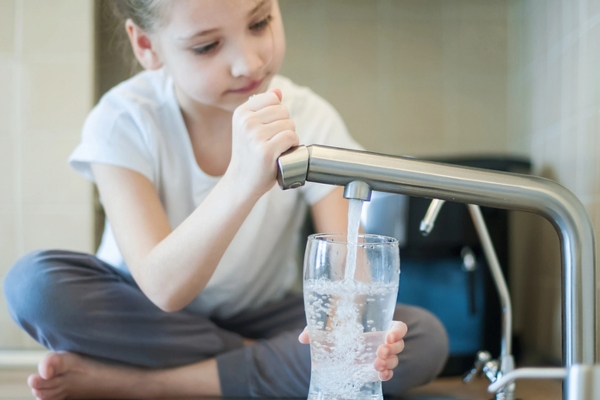
Simple adjustments in how you use your tap can reduce potential exposure to contaminants and support better overall water quality.
- Use Cold Water for Consumption: Cold tap water is generally the safer choice for drinking and cooking. It is less reactive than warm water, which means it is less likely to carry dissolved metals or residues from pipes and plumbing components.
- Let the Tap Run Before Use: Allow water to flow for several seconds before using it. This helps flush out water that has been sitting in the pipes, which may contain higher concentrations of metals or other accumulated materials.
- Maintain Your Water Heater: Regular maintenance, including periodic flushing, helps remove sediment that builds up inside the tank. This reduces the chance of particles entering your water supply when warm water is used and supports more consistent water quality.
- Consider Filtration Systems: Installing a point-of-use or whole-home filtration system can help reduce contaminants such as metals, chlorine, and other impurities. Proper filtration improves both the safety and taste of your drinking water.
Address Water Quality Concerns Early: Let Robinson Plumbing provide the solutions you need for cleaner, safer water. Contact us to get started.
Can Warm Water Ever Be Used Safely?

Warm tap water can be used safely in certain situations, though its role should remain limited. Occasional use for tasks such as rinsing or cleaning is generally acceptable, since these applications do not involve direct consumption. The concern becomes more relevant with regular drinking, where repeated exposure to potential contaminants may accumulate over time.
When preparing food or beverages, it is more reliable to start with cold water and heat it separately. This approach reduces the chance of introducing dissolved metals or sediment that may be present in warm water drawn directly from the tap.
Get Clear Answers and Reliable Solutions: Choose Robinson Plumbing for trusted plumbing support that helps protect your home’s water. Schedule your service today.
FAQs: Is Warm Tap Water Safe to Drink?
Can Water Temperature Encourage Bacterial Growth in Plumbing Systems?
Warm water can support faster bacterial growth than cold water, particularly in stagnant sections of plumbing, such as rarely used pipes or storage tanks. While municipal treatment limits harmful bacteria, internal plumbing conditions can still influence microbial activity if systems are not regularly flushed or maintained.
Do Water Filters Work the Same With Warm Tap Water?
Most residential filters are engineered for cold water. Using warm water can reduce filtration efficiency, alter media performance, or degrade internal components over time. This may allow certain contaminants to pass through more easily or shorten the filter’s usable life.
Is There a Quality Difference Between Warm Tap Water and Water Heated Separately?
Yes. Warm tap water has already passed through the water heater and hot water lines, where it can pick up dissolved metals or sediment. Heating cold water separately limits this exposure, making it a more controlled and generally safer option for drinking or cooking.
Maintain Confidence in Your Water Supply: Work with Robinson Plumbing for professional plumbing care that delivers consistent performance. Schedule today.
Can Weather or Seasonal Changes Affect the Quality of Warm Tap Water?
Seasonal temperature shifts can influence pipe expansion, corrosion rates, and overall water chemistry. During warmer periods, higher ambient temperatures may increase the likelihood of mineral dissolution or slight changes in taste and odor in warm water lines.
Do Pressure Fluctuations Impact What Comes Out of the Tap?
Changes in water pressure can disturb sediment in pipes or within the water heater tank. When this occurs, fine particles or mineral deposits may enter the water stream, which can be more noticeable when drawing warm water due to its interaction with the system.
Conclusion
Warm tap water is generally not the most reliable option for drinking, as it is more likely to contain dissolved metals, sediment, and residues from your plumbing system. Cold water remains the safer and more consistent choice for both consumption and food preparation.
If you have concerns about your home’s water quality, contact Robinson Plumbing for professional plumbing solutions. Our team can evaluate your system, recommend practical improvements, and help ensure your water stays safe and dependable for everyday use.
Upgrade Your Home’s Water Safety: Robinson Plumbing offers expert service designed to improve water quality and system reliability. Book now.
Contact Robinson Plumbing for Reliable Plumbing Services and Water Solutions in Lehigh Valley
Homeowners throughout Lehigh Valley rely on Robinson Plumbing for dependable plumbing solutions that keep their systems operating safely and efficiently. Our team provides a complete range of services, including drain cleaning, leak detection, fixture repairs, water heater maintenance, sump pump service, and detailed system assessments. We also provide water filtration services designed to improve taste, clarity, and overall household water quality.
Every project is handled by licensed plumbers who focus on accurate troubleshooting, durable repairs, and consistent system performance. Whether you are dealing with an urgent issue or planning routine plumbing upkeep, Robinson Plumbing delivers services tailored to your home’s specific requirements.
Schedule your plumbing service with Robinson Plumbing today and keep your system running smoothly in every season.
Call us today at (610) 351-9889 or contact us for any questions that you might have! Click the link to view our service area.
Related Articles: